The Unlikely Birth of an Anthem
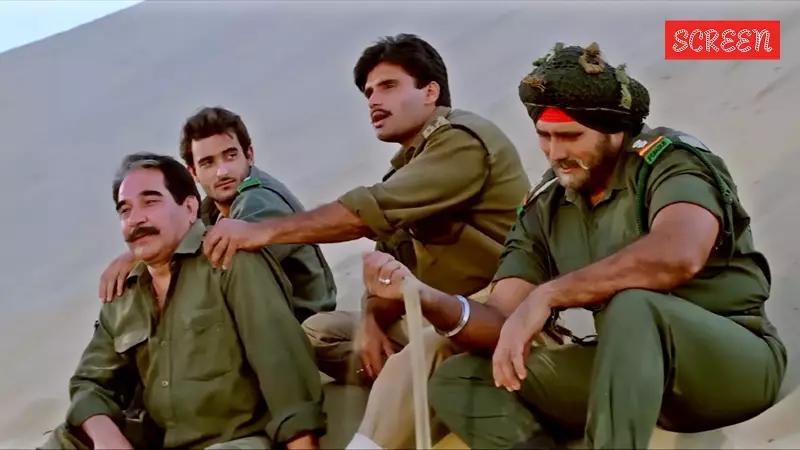
In the summer of 1997, India prepared to celebrate its 50th Independence Day. Bollywood mirrored this patriotic fervor. Two films, JP Dutta's Border and Subhash Ghai's Pardes, reignited national pride. Border, based on the 1971 Battle of Longewala, depicted 120 Indian soldiers defending their post against a Pakistani tank assault. The film resonated deeply with audiences. Its music, particularly the song "Sandese Aate Hain," has endured for decades.
A Mother's Hope: The Song's Emotional Core
JP Dutta drew inspiration from his brother, Squadron Leader Deepak Dutta, who fought at Longewala. The song's soul emerged from a family memory. Dutta's daughter, Nidhi, revealed that her grandmother would listen to radio bulletins during the war, praying her son's name was not among the martyrs. Each day, she would say, "Mera beta ghar aayega" (My son will come home). This repeated phrase of hope eventually shaped the song's lyrics years later.
From Rejection to Recognition
Composer Anu Malik initially created the tune for another film. A producer rejected it. Lyricist Javed Akhtar happened to be present during that rejection. The melody stayed with him. When brainstorming for Border, Akhtar reminded Malik of that forgotten tune. The pieces fell into place. Akhtar explained the tune allowed him to write extensively, fitting the song's narrative needs.

However, Malik faced a challenge. When Akhtar presented the lyrics, they spanned 11 to 15 pages. Malik found no traditional poetry in them. "It read like a story," he said. He even questioned when the song would end. Despite his initial hesitation, the emotional weight of the project moved him. Dutta showed him pictures of soldiers in the snow. Malik cried, and Dutta told him those tears would fuel the composition.
Creative Triumphs and a Requested Autograph
Akhtar worried about one section: "Ae guzarne wali hawa..." He wrote it in free verse, thinking it would be difficult to compose. To his surprise, Malik had already set it to music. Akhtar was so impressed that he asked for Malik's autograph on the spot. This was notable because Malik, though successful, often faced criticism for borrowing from international music. For "Sandese Aate Hain," he created something entirely original.
The Voices Behind the Emotion
Anu Malik chose two singers: the established ghazal artist Roop Kumar Rathod and the rising star Sonu Nigam. For Nigam, this was a major break after years of struggle in Mumbai. The song changed his career. When an award ceremony nominated only Nigam and not Rathod, Nigam refused the award. He insisted both singers deserved recognition, showing his respect for his senior colleague.
Tears on Set and Beyond
The song's recording moved everyone in the studio. Technicians wept. During filming in Jaisalmer, around 100 soldiers from the Punjab regiment were present. As the song played, many walked away in tears, overwhelmed by emotion. Actor Suniel Shetty knew then it was a hit.
Roop Kumar Rathod experienced the song's universal appeal firsthand. While playing it in his car for the first time in the US, a passenger from India began sobbing. She had been away from home for years. Rathod realized the song spoke not just to soldiers, but to anyone missing home.
A Legacy Cemented
"Sandese Aate Hain" won Javed Akhtar his second National Film Award for Best Lyrics. The film itself won Best Feature Film on National Integration. The nine-minute song broke conventions with its length but captured a profound sense of longing. It remains a timeless piece, outlasting many trends. Recent attempts to recreate its magic for Border 2 have only highlighted the power of the original. The story of its creation—from a rejected tune and daunting lyrics to a national anthem of emotion—proves that great art often emerges from unexpected challenges.