Honey Trehan Exposes Bollywood's New Rule: Muslim Stars Okay, But Hero Must Be Hindu
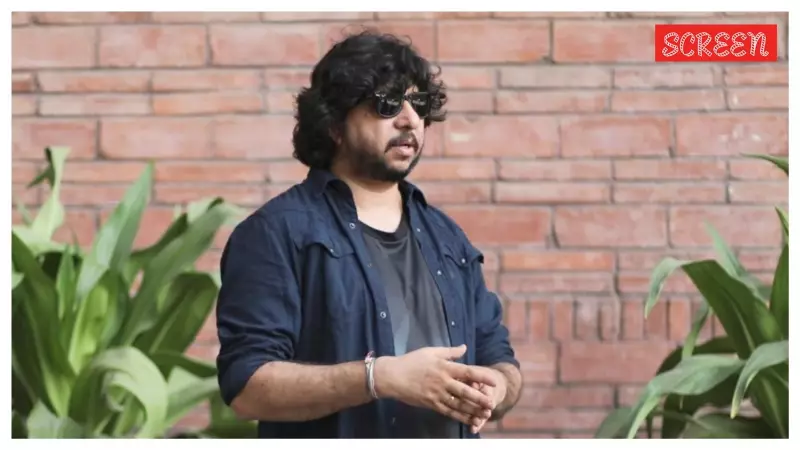
In a candid interview, filmmaker Honey Trehan has made startling revelations about the current state of Bollywood. He claims there is a clear shift in casting practices today. Trehan says you can cast a Muslim superstar in a film, but the protagonist has to be Hindu. This observation comes as he reflects on his own experiences and the broader industry trends.
Panjab '95 Stuck in Censorship Battle
Trehan's latest directorial project, Panjab '95, remains trapped with the Central Board of Film Certification. The film features Diljit Dosanjh as human rights activist Jaswant Singh Khalra. It has faced significant delays and demands for cuts. Trehan expresses frustration over the subjective nature of these demands. He insists he would comply with legitimate legal cuts but objects to politically motivated interference.
The situation has worsened over the years, according to Trehan. He compares it to the release of Udta Punjab a decade ago. That film also battled the CBFC but ultimately won in court. Today, Trehan feels such a victory is impossible. His producer was pressured to withdraw the case from the Bombay High Court. This move effectively blocked their legal recourse.

Films Like Haider Cannot Be Made Today
Trehan is blunt in his assessment. He states that movies like Udta Punjab or Haider simply cannot be produced in today's climate. He points out a double standard in how films are treated. Sensitive projects like The Kashmir Files or The Kerala Story get released and even praised. Yet, his film faces obstacles under the guise of law and order concerns in Punjab.
He speculates on the reasons behind this disparity. Perhaps if I had a Muslim as a villain or if I showed Muslims in negative light, then I would've also gotten standing ovation in the Parliament, Trehan remarks. This highlights his view that narratives are being controlled to fit certain political agendas.
Political Polarity Invades Bollywood
The filmmaker confirms that political divisions have seeped into the film industry. He notes a loss of involvement and increased fear among creators. Trehan shares a personal example. He was involved with a film based on a real-life Muslim character. However, because it was a big-budget project with an A-list star, the character was changed to Hindu.
This reflects a broader societal fear, Trehan suggests. He feels that those in power may not want to see heroes from minority communities. This includes Sikhs, Muslims, and Christians. While he does not accuse anyone directly, he observes this pattern in the overall scenario.
Trehan's Journey and Casting Insights
Honey Trehan has worn many hats in his career. He started as a casting director and later became a producer and director. His directorial debut was the Netflix film Raat Akeli Hai. His experience in casting has deeply influenced his filmmaking approach. He believes knowing who will play characters during development is crucial.
Trehan has been instrumental in discovering new talents. He cast Diljit Dosanjh in Udta Punjab, bringing the Punjabi star to mainstream Hindi cinema. He also found Ishaan Khatter for Beyond the Clouds after extensive auditions. These successes showcase his eye for talent and commitment to the script.
Standing Firm on Artistic Integrity
Despite the challenges, Trehan remains steadfast. He refuses to make cuts on Panjab '95 unless they are legally mandated. He will not compromise his artistic vision for political convenience. I'm not here to be anybody's mouthpiece, he declares. This stance underscores his dedication to honest storytelling.
Trehan also co-founded McGuffin Pictures with Abhishek Chaubey. Their production house launched Konkona Sen Sharma's directorial debut, A Death in the Gunj. This venture highlights their support for diverse and meaningful cinema.

Looking Ahead with Hope
While the path is tough, Trehan holds onto hope. He believes the actual people in power may not have even seen his film yet. He continues to advocate for freedom of expression. Trehan's journey reflects the struggles many filmmakers face in today's polarized environment. His insights offer a raw look at the changing dynamics of Bollywood.