Hollywood's Woke Backlash: Why Celebrity Activism is Losing Its Audience
For nearly a decade, Hollywood has positioned itself as the moral conscience of the modern world, with actors, producers, and musicians using entertainment platforms to advocate for political and social causes. However, this embrace of "woke-ism"—a term describing progressive activism, diversity mandates, and social justice messaging in films, awards shows, and celebrity statements—has reached peak saturation, sparking widespread exhaustion and backlash.
The Gervais Warning: A Prophetic Speech Ignored
In 2020, British actor-comedian Ricky Gervais delivered a now-famous opening speech at the Golden Globes, bluntly criticizing Hollywood's tendency to lecture the public. He remarked, "If you do win an award tonight, don't use it as a platform to make a political speech. You're in no position to lecture the public about anything. You know nothing about the real world." This speech highlighted the growing disconnect between celebrities and their audiences, but Hollywood largely ignored it, leading to today's backlash.
From Applause to Exhaustion: The 2026 Turning Point
By 2026, the applause that once greeted celebrity activism had turned into irritation. At the Golden Globes, actor Mark Ruffalo wore a "Be Good" pin to protest US Immigration and Customs Enforcement (ICE) and advocated for peace in Gaza, eliciting collective sighs from viewers. The backlash isn't against the causes themselves—such as climate change, racial justice, or gender equality—but against the relentless moralizing and perceived hypocrisy of super-rich stars using their platforms for self-promotion.

Historical Context: When Activism Was Sincere
Hollywood has a history of political engagement, with figures like Jane Fonda protesting the Vietnam War in the 1960s and Elizabeth Taylor raising awareness about AIDS in the 1980s. These efforts were often groundbreaking and sincere, addressing taboo subjects with courage. However, today's activism differs in tone and frequency, driven by social media and a constant stream of virtue-signaling messages.
The Performance of Modern Activism
What has changed is the performative nature of contemporary celebrity activism. With the rise of social media, stars have become full-time commentators, weaving political messaging into award shows, press junkets, and film promotions. In a post-pandemic, war-torn world, audiences seek escapism but are instead confronted with political sermons from millionaires in designer gowns, fueling perceptions of hypocrisy.
The Billie Eilish Tipping Point
At the 2026 Grammy Awards, singer Billie Eilish faced intense backlash after declaring "no one is illegal on stolen land" while criticizing ICE. Critics pointed out her $14 million LA home sits on Indigenous land, accusing her of performative activism. This incident marked a turning point, with audiences calling out wealthy influencers for making sweeping political statements without accountability.
Viewership Decline: The Numbers Tell the Story
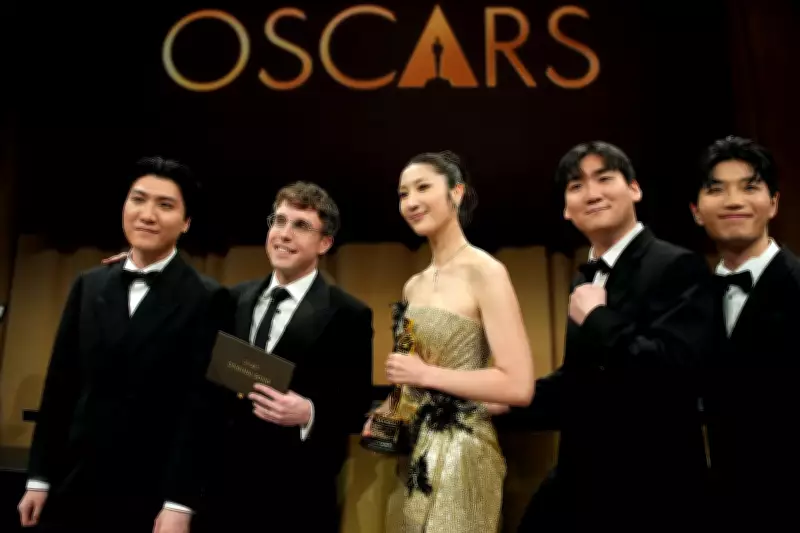
Award show ratings have plummeted, reflecting audience disengagement. The Oscars, for example, drew 23.6 million viewers in 2020, down from 34.4 million in 2016. Post-pandemic, ratings have struggled to recover, with 2025 seeing a 7% drop to 18.1 million. Social media amplifies this backlash, with users criticizing Hollywood as a hub of "narcissists acting like activists."
The Future of Hollywood: A Shift Toward Escapism
As backlash intensifies, Hollywood may pivot from ideological messaging to more universal, escapist entertainment. Studios, facing economic pressures, could prioritize profitability over woke narratives, leading to a renaissance for high-concept projects. If the industry fails to adapt by reducing pulpit moments and focusing on storytelling, ratings could decline further, echoing Ricky Gervais' warnings from years past.