Hariharan Emphasizes Decorum in Wedding Performance Debate
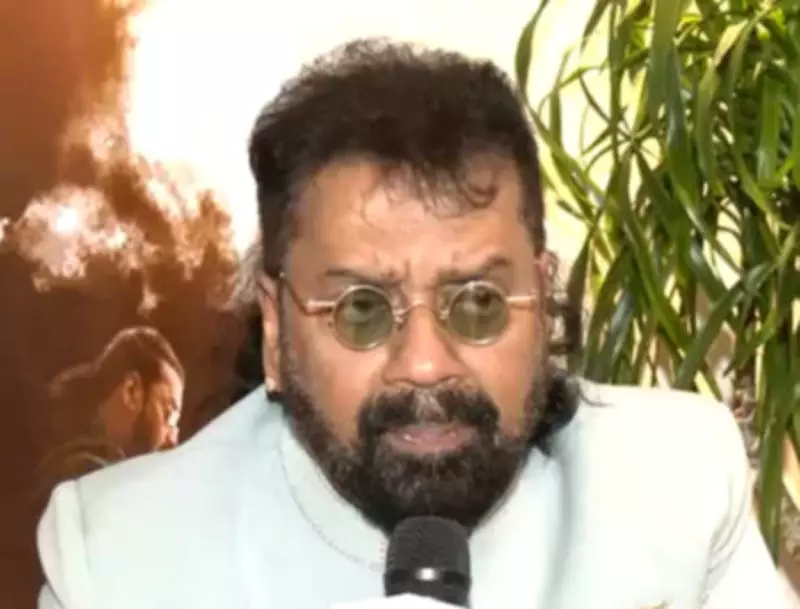
Renowned playback and classical singer Hariharan has publicly addressed the ongoing controversy surrounding whether professional singers should perform at wedding ceremonies. In an exclusive interview with IANS, Hariharan articulated his stance, highlighting that while he is open to various concert types, maintaining decorum during performances is non-negotiable for him.
The Core Principle: Happiness with Proper Ambiance
Hariharan elaborated on his philosophy, stating that the primary goal of singing is to derive and spread happiness. He emphasized that as long as this objective is met within a respectful and appropriate environment, he finds the experience fulfilling. "Why do you sing? To bring happiness, and if you can get happiness, that happiness in any situation with proper ambiance is fine," he explained. This perspective underscores his belief that the setting, rather than the event type itself, dictates the quality of a performance.
A Firm Stand on Professional Standards
Further clarifying his position, Hariharan noted his extensive experience across diverse musical venues but insisted on certain professional standards. "See, I'll tell you one thing. I do all kinds of concerts. I am very open. But I need decorum when I sing, and I make sure I have it, and I am peaceful with it," he told IANS. This statement reflects a balanced approach, advocating for artistic integrity without outright dismissing wedding performances.

Context of the Broader Industry Debate
Hariharan's comments come amid a heated discussion within the Indian music industry about the appropriateness of singers performing at weddings. Earlier, veteran singer Abhijeet Bhattacharya sparked controversy by arguing that such performances diminish a singer's stature. He asserted, "Performing at a wedding reduces the value. I have the authority, I can say no, I will not sing. No power in the world can buy you." In contrast, popular singer Neha Kakkar countered this view, maintaining that no work should be deemed inferior. She stated, "Singing at weddings is not a bad thing. Fans like you, that's why they invite you. No work is big or small."
Implications for the Entertainment Landscape
This debate touches on broader themes of artistic dignity, fan engagement, and economic opportunities in the entertainment sector. Key points include:
- The importance of maintaining professional decorum regardless of venue.
- The divergent opinions on whether wedding performances affect a singer's prestige.
- The role of fan interactions and financial considerations in career decisions.
- How established artists navigate personal standards versus public expectations.
Hariharan's measured response adds a nuanced voice to this discourse, suggesting that the ambiance and respect accorded during performances are more critical than the event type itself. As the conversation evolves, it continues to reflect the dynamic interplay between tradition, artistry, and modern entertainment practices in India.