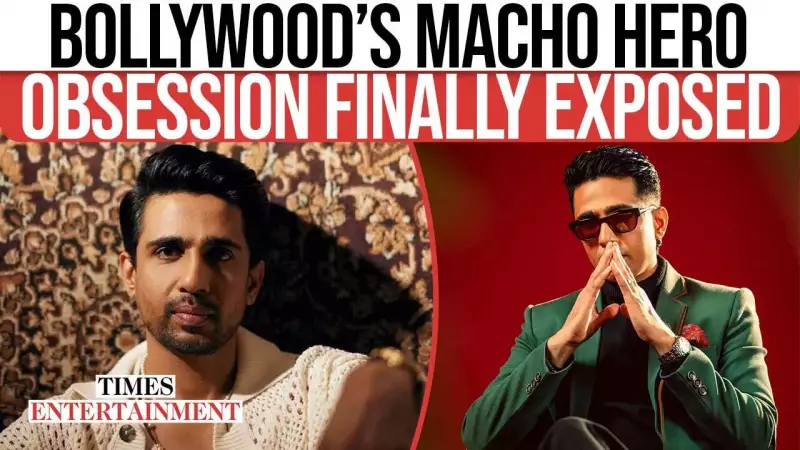
Actor Gulshan Devaiah has ignited a significant conversation within the Hindi film industry by openly questioning its recent fixation on a specific, aggressive brand of masculinity. In a candid interview, the actor pointed to a growing trend where leading men are increasingly portrayed as angry, bearded, and hyper-masculine figures, a template he suggests has become overwhelmingly common.
The Core of Devaiah's Critique
Devaiah's remarks, made in early January 2026, indirectly referenced the massive success and cultural impact of films like Pushpa, Animal, and the more recent Dhurandhar. He expressed concern that this narrow archetype is being replicated across the board, potentially stifling creative diversity. The actor's core question revolves around why every hero now seems to follow this same blueprint of rage and rugged, bearded aesthetics, moving away from a wider spectrum of male characters that Hindi cinema once offered.
Reigniting Broader Industry Debates
This is not the first time such a discussion has surfaced, but Devaiah's comments have successfully reignited conversations about several critical issues. The debate now encompasses topics like:

- The definition of masculinity in modern Indian cinema.
- The lack of originality and risk-taking in mainstream storytelling.
- The pressure on actors to conform to commercially proven, but potentially limiting, stereotypes to achieve box office success.
His observations tap into a wider unease about whether Bollywood is prioritizing a formulaic, aggressive hero model over nuanced and varied character portrayals.
Implications for the Future of Storytelling
While Devaiah did not name specific actors, his critique highlights a visible shift in hero portrayal post the success of certain landmark films. The concern is that this trend could marginalize other genres and character types, making it harder for stories that don't fit this mold to find backing or audience traction. It also raises questions about the messages being sent to audiences regarding conflict resolution and male identity.
The actor's intervention adds a prominent voice to an ongoing dialogue. It challenges filmmakers and audiences alike to reflect on the kind of heroes they are creating and celebrating. Whether this leads to a conscious diversification of roles or a deeper examination of on-screen masculinity remains to be seen, but the conversation is now firmly back in the spotlight.