Gangs of Wasseypur and Dhurandhar: A Tale of Two Sequels in Indian Cinema
The recent release of the Dhurandhar sequel has sparked a significant conversation within the film industry and among audiences. This development raises a critical question: has big-budget Indian cinema finally discovered its next major strategy for success? The discussion inevitably draws parallels to another iconic film series, Gangs of Wasseypur, directed by Anurag Kashyap. By examining these two distinct examples, we can uncover valuable insights into the evolving landscape of sequels in Bollywood.
The Legacy of Gangs of Wasseypur: A Blueprint for Sequels
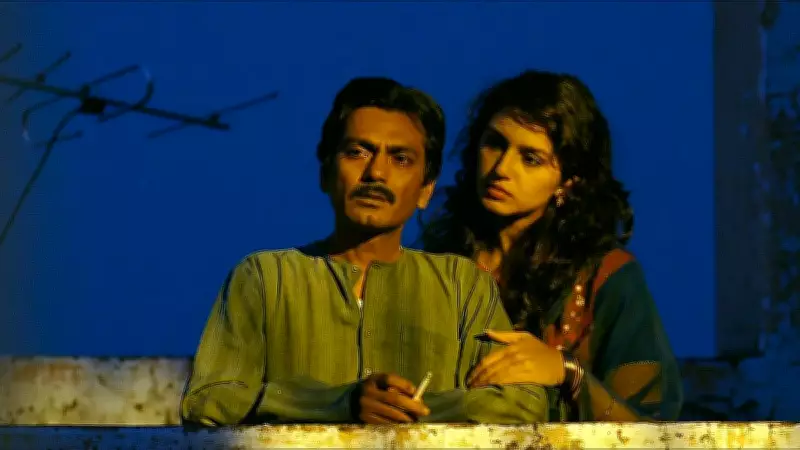
Gangs of Wasseypur, released in two parts in 2012, is often hailed as a groundbreaking work in Indian cinema. Directed by Anurag Kashyap, this crime saga not only achieved critical acclaim but also cultivated a dedicated fan base. Its success demonstrated that sequels could thrive when built on a strong narrative foundation and unique storytelling. The film's impact extends beyond box office numbers, influencing how filmmakers approach multi-part projects.
- Narrative Depth: The series offered a rich, character-driven plot that kept audiences engaged across both installments.
- Cultural Resonance: It tapped into regional themes and settings, creating an authentic experience that resonated widely.
- Director's Vision: Kashyap's distinct style ensured consistency and artistic integrity throughout the sequels.
Dhurandhar's Sequel: A New Chapter in Big-Budget Filmmaking
In contrast, the Dhurandhar sequel represents a more recent foray into the sequel domain, with its release generating buzz and debate. This film, featuring stars like Ranveer Singh and directed by Aditya Dhar, exemplifies the high-stakes, big-budget approach that is becoming increasingly common in Bollywood. The conversation around it centers on whether such productions can replicate the success of earlier models like Gangs of Wasseypur.

- Commercial Ambitions: With substantial investments, Dhurandhar aims to leverage star power and advanced production values to attract a global audience.
- Strategic Timing: The sequel's release is strategically planned to capitalize on existing franchise popularity and market trends.
- Audience Expectations: It faces the challenge of meeting high expectations set by its predecessor while introducing fresh elements.
Key Lessons for the Future of Indian Cinema Sequels
Comparing these two stories reveals several crucial lessons for filmmakers and producers. First, storytelling quality remains paramount; without a compelling narrative, even the biggest budgets can fall short. Second, audience engagement through consistent themes and characters is essential for building franchise loyalty. Third, the balance between artistic vision and commercial viability must be carefully managed to ensure long-term success.
As the industry continues to evolve, the experiences of Gangs of Wasseypur and Dhurandhar highlight that there is no one-size-fits-all formula. However, by learning from both, Indian cinema can refine its approach to sequels, potentially unlocking new avenues for growth and innovation. The ongoing debate underscores the dynamic nature of Bollywood, where each new release contributes to the broader narrative of cinematic development.