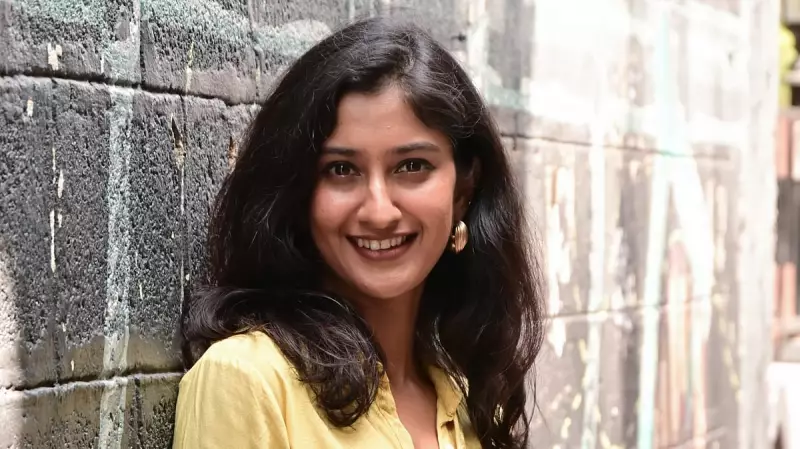
In a powerful statement that's resonating across the Indian film industry, Sayani Gupta, the newly appointed director of the Film and Television Institute of India (FTII), has called for mandatory female representation on every film set. The acclaimed actress and filmmaker emphasized that having at least one woman present during productions isn't just about equality—it's essential for creating authentic content and ensuring safer working environments.
The Urgent Need for Female Perspective
Speaking from her position at one of India's most prestigious film institutions, Gupta highlighted how male-dominated film sets often lack understanding of women's experiences. She pointed to numerous instances where female characters were written or portrayed inaccurately simply because no women were involved in key creative decisions.
"When you have only men writing women's dialogues, directing scenes about women's lives, or making decisions about how female characters should behave, you end up with unrealistic portrayals that don't resonate with real women," Gupta explained. Her comments come at a time when the Indian entertainment industry is grappling with issues of representation and workplace safety.

Beyond Tokenism: Creating Substantive Change
Gupta clarified that her advocacy goes beyond mere tokenism. She isn't suggesting that productions simply hire one woman to fulfill a quota. Rather, she stresses the importance of meaningful female participation in decision-making roles where their perspectives can genuinely influence the creative process and on-set dynamics.
The FTII director shared observations from her extensive career, noting that sets with female crew members tend to have better working environments for everyone. "There's a different energy when women are present in substantial roles," she said. "The conversations change, the sensitivity increases, and the overall atmosphere becomes more inclusive."
Practical Benefits and Industry Impact
Gupta outlined several concrete benefits of having women on sets. Firstly, it creates safer spaces for female actors and crew members to voice concerns or discomfort. Many young actresses hesitate to speak up about inappropriate situations when surrounded entirely by male colleagues and superiors.
Secondly, female presence improves the authenticity of storytelling. From how female characters dress and speak to how they navigate relationships and professional challenges, women bring lived experiences that male creators might overlook or misinterpret.
Thirdly, diverse crews lead to more innovative problem-solving and creative approaches. Different perspectives often result in more nuanced and compelling content that connects with broader audiences.
While Gupta acknowledged that the industry has made some progress in recent years, she emphasized that systemic change requires conscious effort from production houses, directors, and educational institutions like FTII. "We need to normalize having women in all departments—not just costume and makeup, but cinematography, sound, direction, and technical roles," she asserted.
The FTII, under her leadership, plans to implement initiatives that encourage more women to pursue all aspects of filmmaking. Gupta believes that institutional support is crucial for creating lasting change in an industry that significantly influences cultural narratives and social norms across India.
As the conversation about representation in Indian cinema continues to evolve, Gupta's stance represents a significant step toward creating more equitable and authentic filmmaking practices. Her message serves as both a challenge and an invitation to the industry to embrace the transformative power of gender diversity behind the camera.