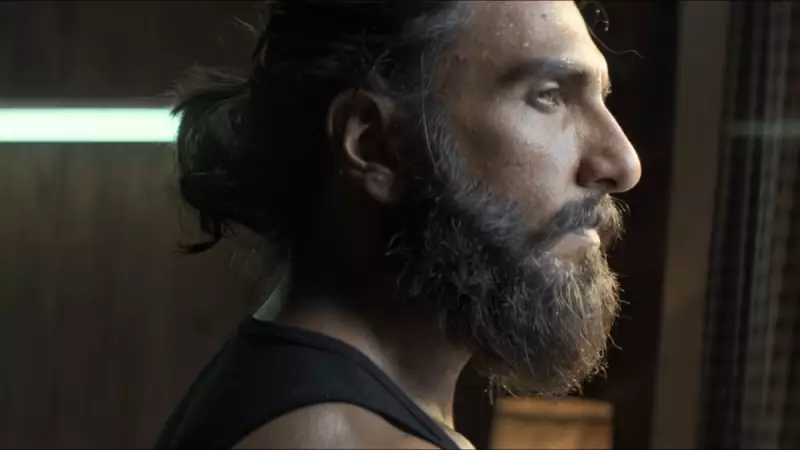
In a major revelation for eager fans, acclaimed director Aditya Dhar has pulled back the curtain on the narrative structure and powerful climax of his upcoming epic war film, 'Dhurandhar'. The movie, starring Ranveer Singh and Akshaye Khanna in pivotal roles, has been the subject of intense speculation, particularly regarding its unique eight-part division and a climactic scene referencing the iconic Shakespearean phrase, 'Et Tu Brutus'.
The Eight-Part Structure of Dhurandhar
Aditya Dhar, in a recent interview, confirmed that 'Dhurandhar' is conceptually divided into eight distinct parts. This is not a mere stylistic choice but a deeply intentional narrative framework. The director explained that the film's vast and complex story, which spans a significant historical and emotional canvas, demanded this segmented approach to ensure clarity and powerful storytelling.
Each of the eight parts is designed to function almost like a chapter in an epic novel, focusing on different phases of the conflict, character arcs, and strategic battles. This structure allows the audience to digest the monumental scale of the film while following the intricate journey of its characters, primarily the dynamic between Ranveer Singh's and Akshaye Khanna's roles. Dhar emphasized that this method helps in building tension and delivering a more impactful payoff by the time the story reaches its dramatic conclusion.

Decoding the 'Et Tu Brutus' Climax Moment
The most talked-about detail is the meaning behind the climactic moment, where a character utters the line, 'Et Tu Brutus'. This Latin phrase, famously spoken by Julius Caesar in Shakespeare's play upon seeing his trusted friend Brutus among his assassins, translates to "And you, Brutus?" It is the ultimate symbol of betrayal by someone closest.
Aditya Dhar connected this historical reference directly to the core relationship in 'Dhurandhar'. The film explores a profound and complex bond between the characters played by Ranveer Singh and Akshaye Khanna. The 'Et Tu Brutus' moment signifies a shattering betrayal that forms the emotional crux of the climax. It is not just a physical confrontation but a deep, personal treachery that defines the endgame of their story.
This revelation hints that Akshaye Khanna's character might be placed in a position where his actions, whether driven by ideology, duty, or personal conflict, are perceived as the ultimate betrayal by Ranveer Singh's character. Dhar's use of this classical allusion suggests he is aiming for a climax with timeless emotional and thematic weight, elevating the war drama to a tragedy of Shakespearean proportions.
Vision and Expectations for the Epic
Aditya Dhar, known for the precision and patriotism of 'Uri: The Surgical Strike', is clearly aiming to create another cinematic landmark with 'Dhurandhar'. By disclosing these structural and thematic details, he has built immense anticipation for a film that promises to be more than just a visual spectacle.
The combination of a multi-part narrative and a climax rooted in classical betrayal indicates a focus on character-driven drama within the grand setting of war. The audience can expect a film that balances large-scale action with intimate, powerful performances from its lead actors. Ranveer Singh, known for his explosive energy, and Akshaye Khanna, revered for his intense and nuanced portrayals, are poised to deliver a masterclass in on-screen dynamics.
With these insights, 'Dhurandhar' is shaping up to be a significant event in Indian cinema for 2025. It aims to blend historical inspiration, epic storytelling, and raw human emotion, challenging the conventions of the war genre. Fans and critics alike will be watching closely to see how Aditya Dhar executes this ambitious vision when the film finally hits the screens.