Censors Trimmed 'Very Sexy' Scene in Classic Film Howrah Bridge
In a fascinating revelation, Ashim Samanta, son of legendary director Shakti Samanta, has shared behind-the-scenes stories from the iconic 1958 crime thriller Howrah Bridge. He recently recalled how the Central Board of Film Certification (CBFC) cut a romantic scene, deeming it too sensual for audiences at the time.
The Censored Moment: A Scarf's Touch
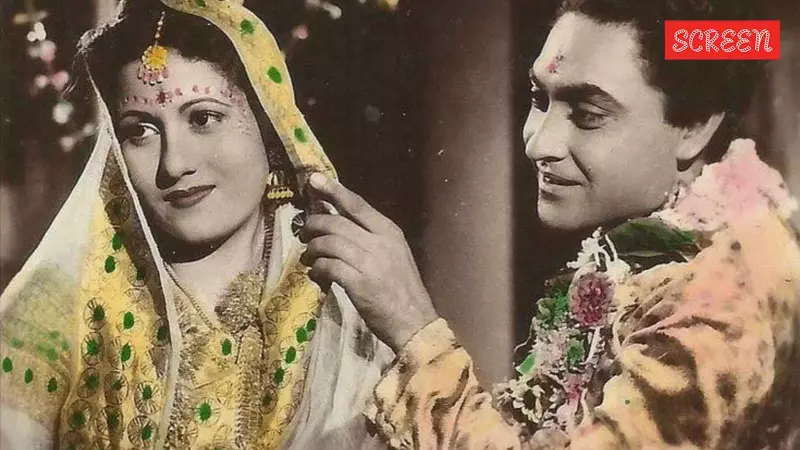
Ashim Samanta highlighted a specific scene from the popular song Yeh Kya Kar Dala Tune. He explained that during filming, a beautiful shot was captured where Madhubala's scarf gently covered Ashok Kumar's face, brushing against his lips. However, the censor board decided to remove this moment entirely. When Shakti Samanta inquired about the reason, officials bluntly stated it looked very sensuous and sexy. This decision showcases the stricter moral codes prevalent in Indian cinema during that era.
Generosity of the Stars: No Initial Fees
Beyond the censorship anecdote, Ashim Samanta shed light on the remarkable generosity of the film's lead actors. Both Madhubala and Ashok Kumar agreed to work on Howrah Bridge without charging any money upfront. Madhubala, after hearing her character description, laughed so much she couldn't stop and immediately agreed to the role. When asked about payment, she directed the team to her father, who requested only one rupee initially, with the full signing amount to be paid later when funds were available.

Similarly, Ashok Kumar, who had collaborated with Shakti Samanta on several previous projects, extended the same courtesy. He too waived his fees at the start, accepting remuneration only after the film was sold in advance and the producers secured financing. This gesture underscores the strong professional bonds and trust within the film industry during that period.
Legacy of Shakti Samanta and Howrah Bridge
Shakti Samanta, renowned for classics like Anand Ashram, China Town, and Kashmir Ki Kali, crafted Howrah Bridge into a timeless piece of Hindi cinema. The film, starring Madhubala and Ashok Kumar, continues to be celebrated for its gripping narrative and memorable performances. These new insights from Ashim Samanta add depth to our understanding of its creation, highlighting both creative challenges and the collaborative spirit that defined Bollywood's golden age.
Such stories remind us of the evolving standards in film censorship and the enduring impact of legendary artists who shaped Indian entertainment.