AI Identity Crisis: Celebrities Fight for Personality Rights in Digital Age
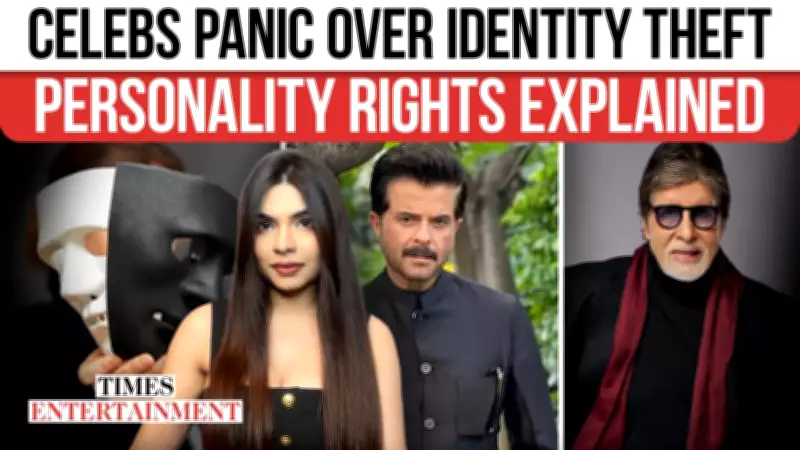
The rapid advancement of artificial intelligence and deepfake technology has ushered in a new era of identity theft, where the lines between reality and digital fabrication are increasingly blurred. Celebrities across India, from Bollywood icons to regional stars, are now confronting a disturbing reality: their faces, voices, and likenesses can be cloned and misused without consent. This has sparked a legal battle for personality rights, as public figures seek to protect their identities in an age where digital content can be manipulated with alarming ease.
From Amitabh Bachchan to Aishwarya Rai: High-Profile Cases of AI Misuse
In recent incidents, Amitabh Bachchan's image was exploited to promote fraudulent applications, while Asha Bhosle's iconic voice was replicated through AI cloning. Similarly, Aishwarya Rai Bachchan has appeared in videos that she never participated in, created entirely by deepfake technology. These examples highlight a growing trend where AI tools are used to generate convincing but false content, leading to potential financial scams, reputational damage, and emotional distress for the individuals involved.
Legal Battles and Personality Rights: A New Frontier
Celebrities such as Anil Kapoor and Mohanlal are at the forefront of legal actions to establish and enforce personality rights. These rights encompass the protection of one's identity, including likeness, voice, and other personal attributes, treating them as intellectual property. Courts in India are increasingly recognizing the importance of these rights, issuing rulings that prevent unauthorized use of celebrity personas. This legal shift underscores a broader understanding that in the digital age, personal identity holds significant commercial and emotional value, warranting robust safeguards against misuse.

Why Your Identity Is Now Intellectual Property
The concept of personality rights extends beyond celebrities to affect everyone, as AI technology becomes more accessible. In a world where anyone's image or voice can be digitally replicated, identity is increasingly viewed as a form of intellectual property. This means that individuals have a legal claim to control how their personal attributes are used, especially in commercial contexts. The blurring of reality and digital content raises critical questions about privacy, consent, and ownership, prompting a reevaluation of existing laws to address these emerging challenges.
Implications for Society and the Future of Digital Content
As AI continues to evolve, the implications for society are profound. The ease of creating deepfakes and AI-generated content poses risks not only to celebrities but also to ordinary citizens, potentially leading to misinformation, fraud, and erosion of trust. The legal recognition of personality rights sets a precedent for how digital identities are protected, encouraging technological innovation while ensuring ethical boundaries. Moving forward, it is essential for policymakers, tech companies, and the public to collaborate in developing frameworks that balance creativity with security, safeguarding personal identities in an increasingly virtual world.