Hidden Stories Behind Bollywood's Iconic Films: From Sholay to Dangal
Bollywood has evolved into a global cultural phenomenon, transcending India's borders and captivating audiences worldwide. Over decades, Hindi cinema has produced numerous landmark films whose legacy continues to influence global entertainment. However, beyond the glamour and spotlight lie captivating tales of creative gambles, unexpected decisions, and little-known moments that profoundly shaped these cinematic classics in surprising ways.
Sholay (1975): The Film That Almost Had a Different Villain
Released in 1975, 'Sholay' revolutionized mainstream Hindi cinema, but its most feared character nearly didn't exist as audiences remember him today. Amjad Khan's casting as Gabbar Singh faced initial skepticism due to concerns that his voice lacked sufficient intimidation. Producers seriously considered replacing him before ultimately committing to the actor. For the ambitious train robbery sequence, international stunt experts were secretly brought onboard, a fact concealed from the public for years. Off-screen, Dharmendra's affection for co-star Hema Malini reportedly caused playful delays during their romantic scenes, adding unexpected moments to the production.
Mughal-e-Azam (1960): The Epic That Was Meant to Be Trilingual
The grandeur of 'Mughal-e-Azam' extended far beyond its opulent sets and costumes. Few realize this epic was originally conceived as a trilingual project. Each scene was filmed separately in Hindi-Urdu, Tamil, and English versions to reach broader audiences. When the Tamil adaptation failed to resonate with viewers, plans for the English version were abandoned midway. Consequently, only the Hindi iteration survived to become the timeless classic celebrated today.

Dilwale Dulhania Le Jayenge (1995): When Shah Rukh Khan Almost Said No
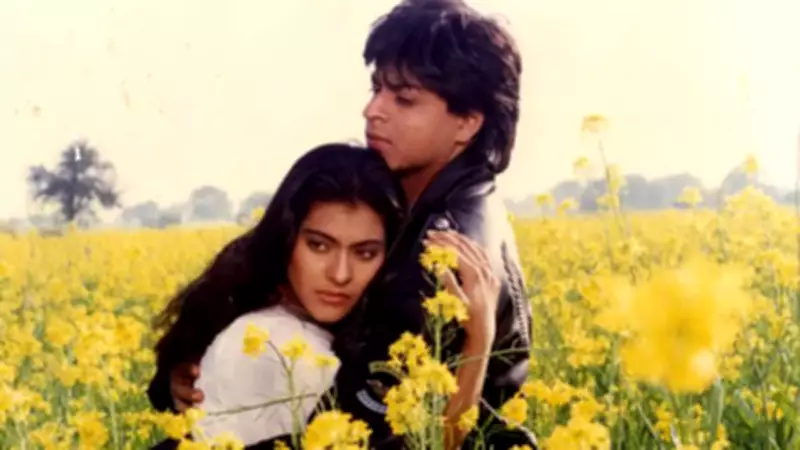
It's difficult to imagine 'Dilwale Dulhania Le Jayenge' without Shah Rukh Khan, yet the film's initial concept differed significantly. Director Aditya Chopra once contemplated making the lead character a foreigner to enhance international appeal. The role was also offered to another young actor before SRK joined the project. Shah Rukh himself hesitated, concerned it might disrupt the intense persona he had cultivated through films like 'Baazigar' and 'Darr'. History, of course, unfolded differently, making this film an enduring symbol of romance.
3 Idiots (2009): Extreme Dedication Behind the Comedy
Behind the humor and philosophy of '3 Idiots' lay moments of extraordinary commitment. For a crucial drunken scene, Aamir Khan suggested using real alcohol to achieve authentic performances, resulting in on-set chaos and unexpected delays. To convincingly portray a college student while in his forties, Khan meticulously observed younger individuals and maintained constant movement in his body language. Even the drone featured in the film wasn't fictional; it was based on an actual prototype created by an IIT student, which gained significant attention following the movie's success.
Lagaan (2001): Casting That Made Oscar History
'Lagaan' made history not only through its Oscar nomination but also via groundbreaking casting decisions. The story demanded authenticity, leading to the largest ensemble of British actors ever featured in a Hindi film at that time. Actors were flown from the UK to shoot in Kutch's harsh landscapes. This blend of Indian villagers and British officers created a realistic colonial atmosphere that proved instrumental in earning international acclaim.
Zindagi Na Milegi Dobara (2011): The Film That Boosted Spanish Tourism
More than just a coming-of-age story, 'Zindagi Na Milegi Dobara' transformed how Indian audiences perceived travel. Following its release, tourism from India to Spain experienced a dramatic surge. The film is now studied as a textbook example of cinema-driven tourism marketing. For the iconic tomato festival sequence, the production team had to import tonnes of tomatoes due to seasonal shortages, an effort that paid off by creating one of the film's most memorable moments.

Rockstar (2011): Filmed Backwards for Authenticity
Imtiaz Ali's 'Rockstar' distinguished itself through raw storytelling and Ranbir Kapoor's physical transformation. To preserve authenticity, the film was shot in reverse chronological order. The emotionally intense climax was filmed first when Kapoor had fully grown hair and beard. As production progressed, his appearance was gradually modified for earlier scenes. This unconventional approach eliminated artificial styling and enhanced realism in the character's evolution.
Dangal (2016): China's Unexpected Love for Indian Wrestling
While 'Dangal' dominated Indian box offices, its performance in China astonished the global film industry. The sports drama became the highest-grossing non-English foreign film in Chinese history. Its emotional narrative resonated deeply with audiences there. At its popularity peak, Aamir Khan emerged as one of the most-followed Indian celebrities on Chinese social media platforms. The film demonstrated that powerful storytelling can effortlessly transcend linguistic and cultural boundaries.
These revelations underscore how Bollywood's most celebrated films often emerged from unexpected challenges, creative risks, and behind-the-scenes decisions that remain largely unknown to audiences. From casting dilemmas to international collaborations, these stories highlight the intricate craftsmanship behind India's cinematic treasures.