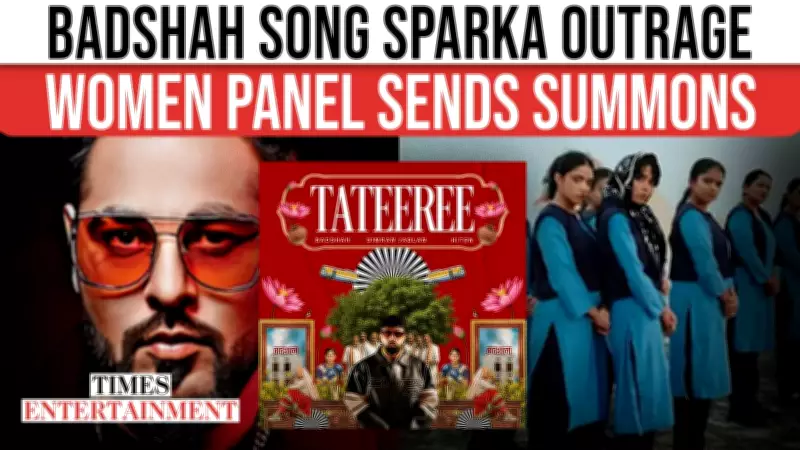
Badshah Faces Legal Heat as Haryana Women's Panel Issues Summons Over 'Tateeree' Lyrics
The controversy surrounding rapper Badshah's song 'Tateeree' has escalated significantly, with the Haryana State Commission for Women officially summoning the artist. This legal action comes amid growing scrutiny over the song's lyrics, which have sparked a heated debate on artistic freedom versus societal norms.
FIR Filed in Panchkula Adds to Legal Woes
In a parallel development, an FIR has been registered in Panchkula under provisions related to obscenity, further intensifying the legal pressure on Badshah. The case alleges that the lyrics of 'Tateeree' promote indecent content, raising concerns about its impact on public morality. Authorities are investigating the matter, with the FIR marking a formal step in the legal process that could lead to charges if the allegations are substantiated.
Divergent Views on Artistic Expression and Content Regulation
The summons and FIR have polarized opinions among critics and supporters. On one side, critics argue that the song's lyrics cross boundaries of decency and should be regulated to prevent the dissemination of inappropriate material. They emphasize the need for content creators to adhere to ethical standards, especially in a diverse society like India's.

Conversely, defenders of Badshah contend that music is a form of artistic expression and should be evaluated within that context. They assert that imposing strict regulations could stifle creativity and infringe on artistic freedom, advocating for a more nuanced approach to content assessment that considers intent and audience interpretation.
Upcoming Hearing to Determine Future Course of Action
All eyes are now on the upcoming hearing, where the Haryana State Commission for Women will review the case. This proceeding is crucial as it could set a precedent for how similar controversies are handled in the future. The outcome may influence not only Badshah's career but also broader discussions on censorship and artistic liberty in the Indian entertainment industry.
As the legal and public discourse unfolds, stakeholders from the music and legal communities are closely monitoring developments. The case highlights the ongoing tension between creative expression and regulatory oversight, with potential implications for content creation across various media platforms.