Bad Bunny's Super Bowl Halftime Show: A Cultural Spectacle Without Direct Payment
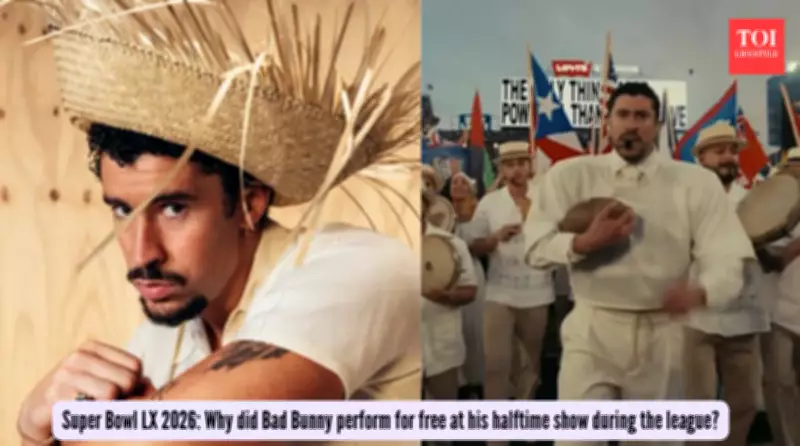
Bad Bunny's Super Bowl halftime performance emerged as one of those rare pop culture moments where art, politics, and creative magic converged into a spectacular display. For just over 13 minutes at Levi's Stadium, the focus shifted entirely from the Seattle Seahawks and New England Patriots to a show that masterfully blended classic visuals, cultural pride, and a powerful message about unity.
The Financial Model: Why No Direct Paycheck for the Superstar
In a surprising twist, despite the monumental scale of the event, Bad Bunny did not earn a direct paycheck for stepping onto that stage. While his headline tours pull in hundreds of millions of dollars, the idea that an artist of his stature would perform "for free" might sound almost unbelievable. However, this is standard practice for Super Bowl halftime headliners.
According to coverage explaining the NFL's model, the league and its current sponsor, Apple Music, reportedly spend around 50 million dollars annually on halftime sponsorship. This money is channeled directly into production costs rather than artist wages. The staging, lighting, complex sets, dancers, and record-breaking special effects—including roughly 10,000 pyrotechnics or firework displays used during this year's show—are all funded through this budget. This ensures the artist can deliver a massive, high-end spectacle at no personal production cost.

For artists like Bad Bunny, the real "paycheck" comes through unparalleled exposure and the ripple effects that follow. Past halftime headliners have seen their streaming numbers surge by more than 400 percent in the hours after the game. According to an Indulge report, interest in Bad Bunny's live shows has exploded, with searches for his upcoming tour reportedly jumping by over 1,500 percent after the performance. In essence, the halftime show operates as the ultimate global advertisement, transforming 13 minutes into a powerful driver of music streams, ticket demand, brand deals, and long-term cultural relevance.
A Cultural and Political Statement on the World's Biggest Stage
Beyond the financial aspects, Bad Bunny's set functioned as a profound cultural and political statement wrapped in a high-energy Latin pop extravaganza. The field was transformed into a vibrant, technicolor tribute to Puerto Rico, complete with stylized sugarcane fields and a chaotic "casita" or Latin house party scene that vividly evoked island life and community spirit.
He invited major guests to share the stage, enhancing the cross-genre appeal. Lady Gaga joined him for a salsa-infused performance of "Die With a Smile," while Ricky Martin and Cardi B added even more star power. This combination of visuals and collaborators highlighted his clear intent to spotlight Latin culture in front of a mainstream American football audience.
The show also seemed to address earlier criticisms linked to his "ICE out" remarks and tensions noted around his presence at Grammy events. Instead of sidestepping these issues, he leaned into a message of unity. The performance concluded with him throwing a football marked with the phrase "Together We Are America," while a banner behind him declared that love conquers hate.
At just 31 years of age, Bad Bunny may have walked off the field without a check, but he left having delivered a powerful message to more than 130 million viewers worldwide. His halftime show stands as a testament to how cultural impact can far outweigh immediate financial gain, creating a legacy that resonates far beyond the stadium lights.