The Fateful Meeting That Changed Bollywood Music Forever
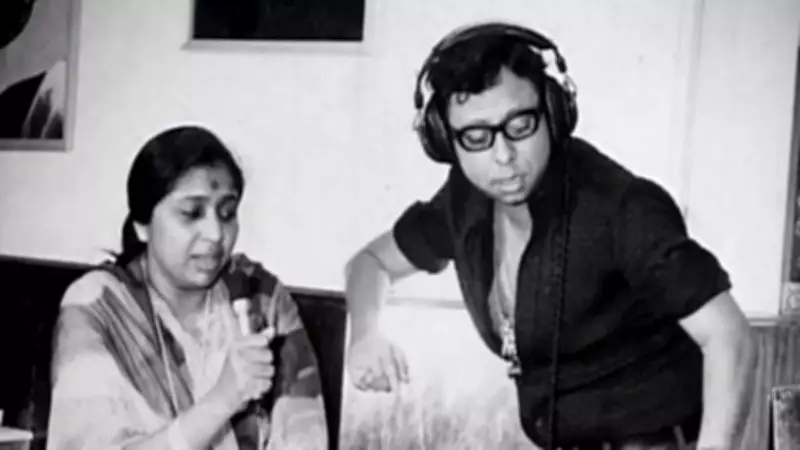
In the vibrant 1950s, when playback singer Asha Bhosle first encountered the innovative composer R.D. Burman, affectionately known as Pancham, Hindi film music stood on the brink of a transformative era. Asha Bhosle had already established herself as a prominent voice in the industry, while Pancham represented a fresh creative force eager to experiment with new musical directions.
The Beginning of an Iconic Partnership
According to historical accounts documented in Khagesh Dev Burman's authoritative book 'RD Burman: The Prince of Music', Pancham approached Asha Bhosle to collaborate on the musical score for the film 'Teesri Manzil'. During a memorable appearance on 'Indian Idol', the legendary singer revealed that this professional journey demanded rigorous practice and presented significant challenges, yet ultimately yielded extraordinary artistic results.
Teesri Manzil: The Revolutionary Breakthrough
The 1966 release of 'Teesri Manzil' marked a pivotal moment in Hindi cinema, introducing audiences to innovative rock and roll elements combined with westernized phrasing techniques. The iconic track 'Aaja Aaja Main Hoon Pyar Tera' perfectly exemplified this groundbreaking new style that would influence generations of musicians.

Pancham's compositions demonstrated remarkable versatility, constantly shifting in scale, tempo, and emotional mood while drawing inspiration from diverse musical traditions including jazz, Latin rhythms, and contemporary rock. Asha Bhosle matched this creative flexibility with exceptional vocal precision, navigating complex arrangements in songs like 'O Mere Sona Re' and embodying the hypnotic quality of 'Dum Maro Dum'.
Landmark Songs That Transformed Playback Singing
The duo's collaboration produced several revolutionary tracks that fundamentally changed the landscape of Hindi film music. 'Piya Tu Ab To Aaja' from 'Caravan' (1971) elevated playback singing to a sophisticated art form, while 'Dum Maro Dum' from 'Hare Rama Hare Krishna' (1971) demonstrated that Bollywood music could successfully explore experimental territories.
Their 1973 masterpiece 'Chura Liya Hai Tumne' from 'Yaadon Ki Baaraat' showcased their ability to convey restrained emotion and tender vulnerability. Additional notable collaborations included 'Jaane Jaan Dhoondta Phir Raha' from 'Jawani Diwani' (1972) and 'Dil Ki Kahani: Do Lafzon Ki Hai Dil Ki Kahani' from 'The Great Gambler' (1979).
Beyond Hindi Cinema: A Multilingual Musical Legacy
The creative partnership extended far beyond Hindi-language productions, with Pancham and Asha Bhosle composing and performing memorable works in Bengali, Marathi, and other regional languages while maintaining their distinctive emotional fluidity and innovative approach. Songs like 'Mohuaye Jomechhe Aaj Mou Go' carried the same unique artistic signature as their Hindi compositions, demonstrating their ability to transcend linguistic boundaries.
From Professional Collaboration to Personal Partnership
According to historical reports from India TV News, the professional relationship between Asha Bhosle and R.D. Burman evolved into a deeply personal connection, culminating in their marriage in 1980. This union brought together two extraordinary artistic journeys, with Pancham demonstrating an intuitive understanding of Asha's vocal capabilities while she navigated his complex compositions with natural grace and technical mastery.
Rediscovering a Musical Legacy
Following R.D. Burman's passing in 1994, Asha Bhosle embarked on a profound journey of rediscovery, meticulously working through archival recordings and live performances. She released commemorative albums including 'Rahul and I' that reimagined his compositions through contemporary arrangements and fresh interpretations, ensuring his musical legacy remained vibrant while preserving the original artistic essence.

An Enduring Legacy of Innovation and Emotion
The collaborative work of Asha Bhosle and R.D. Burman demonstrated how musical innovation and emotional depth could enhance one another, creating a body of work that has left an indelible mark on Hindi cinema. Few artistic partnerships in Bollywood history have achieved such comprehensive influence, with their songs continuing to resonate across generations of music lovers and industry professionals.