Arundhati Roy Withdraws from Berlin Film Festival Over Gaza Genocide Stance
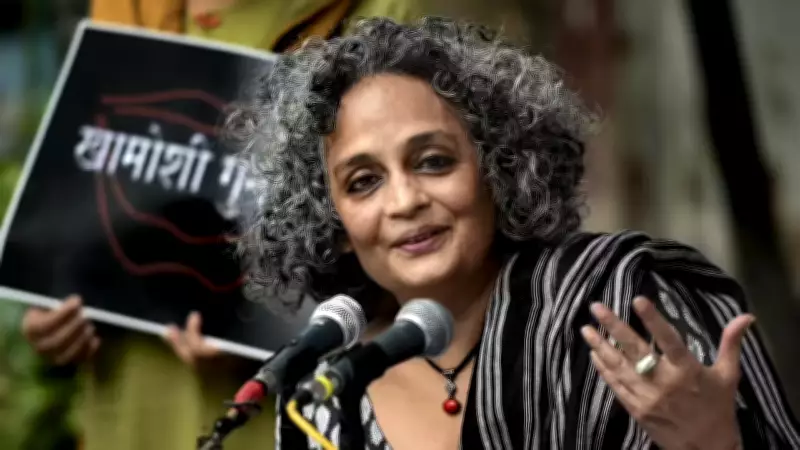
Celebrated author Arundhati Roy has made a powerful political statement by announcing her withdrawal from the upcoming Berlin International Film Festival (Berlinale). This decision comes despite her 38-year-old screenplay In Which Annie Gives It Those Ones being selected for screening in the festival's prestigious Classics section in 2026.
Personal Joy Meets Political Conflict
In a detailed statement released on Friday, Roy expressed mixed emotions about the festival selection. "In Which Annie Gives It Those Ones, a whimsical film that I wrote 38 years ago, was selected to be screened under the Classics section at the Berlinale 2026," she revealed. "There was something sweet and wonderful about this for me on a personal level."
The author acknowledged the historical support she has received from German audiences when discussing political issues, particularly regarding Palestine. "Although I have been profoundly disturbed by the positions taken by the German government and various German cultural institutions on Palestine, I have always received political solidarity when I have spoken to German audiences about my views on the genocide in Gaza," Roy stated.

The Turning Point: Jury's 'Unconscionable' Statements
Roy's decision to boycott the festival crystallized following remarks made by members of the Berlinale jury on Thursday. "This morning, like millions of people across the world, I heard the unconscionable statements made by members of the jury of the Berlin film festival when they were asked to comment about the genocide in Gaza," she explained.
The author expressed particular outrage at the jury's suggestion that art should remain apolitical. "To hear them say that art should not be political is jaw-dropping. It is a way of shutting down a conversation about a crime against humanity even as it unfolds before us in real time—when artists, writers and filmmakers should be doing everything in their power to stop it."
Clear Condemnation of Gaza Genocide
Roy left no ambiguity about her position on the ongoing conflict. "Let me say this clearly: what has happened in Gaza, what continues to happen, is a genocide of the Palestinian people," she declared unequivocally.
The author also directed criticism toward prominent cultural figures who have remained silent on the issue. "If the greatest filmmakers and artists of our time cannot stand up and say so, they should know that history will judge them. I am shocked and disgusted."
Final Decision and Broader Implications
Concluding her powerful statement, Roy made her position official: "With deep regret, I must say that I will not be attending the Berlinale."
This decision represents a significant moment in the intersection of art and politics, highlighting several important themes:
- The responsibility of artists to address humanitarian crises through their platforms
- The political nature of art and cultural expression
- International solidarity movements surrounding the Gaza conflict
- The ethical dilemmas facing cultural institutions during times of conflict
Roy's withdrawal from one of the world's most prestigious film festivals sends a strong message about the moral obligations of cultural figures during humanitarian crises. Her decision to prioritize political principles over personal recognition at an event celebrating her early work demonstrates the depth of her commitment to speaking out against what she describes as genocide in Gaza.