Anupam Mittal's Candid Take on Business Philosophy and Pop Culture Comparisons
Anupam Mittal, the renowned founder of Shaadi.com and a prominent judge on Shark Tank India, recently offered refreshingly honest insights during a podcast appearance. Known for his sharp wit and entrepreneurial acumen, Mittal delved into topics ranging from business ethics to humorous pop culture comparisons.
The Hustle vs. Honesty Debate
When questioned about whether he values hustle over honesty, Mittal provided a nuanced perspective that balances principle with practicality. "Integrity can never be compromised," he asserted firmly, establishing his foundational belief in ethical conduct. However, he acknowledged that real-world situations sometimes demand flexibility.
"You have to be a little dishonest sometimes," Mittal explained with characteristic humor. "Like when your girlfriend or wife asks you how you look – honesty isn't always the best policy in those moments." He quickly clarified that this philosophy shouldn't be taken literally in business contexts, but rather as recognition that interpersonal dynamics often require tact over brutal honesty.

Investing in Passion and Energy
Reflecting on his own entrepreneurial journey, Mittal revealed he would enthusiastically invest in a 25-year-old version of himself. "I had tremendous passion, energy, and determination at that age," he recalled. "If I encounter those same qualities in young entrepreneurs today, I would invest without hesitation." This insight offers valuable perspective for aspiring founders seeking Shark Tank investments.
Assigning Roles to Fellow Sharks
When playfully asked what positions he would offer fellow Shark Tank judges Aman Gupta and Namita Thapar if they applied to work for him, Mittal demonstrated keen understanding of their strengths. "I would hire Aman for public relations and Namita for operations," he stated, highlighting how their television personas align with professional capabilities.
Reacting to 'India's Tony Stark' Moniker
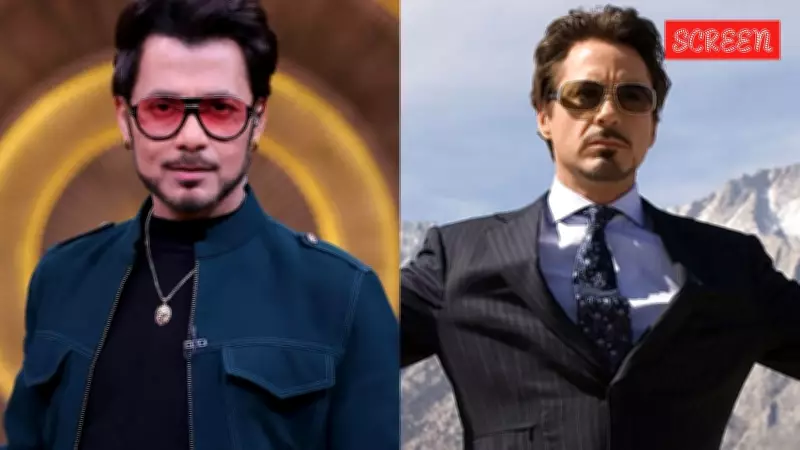
The conversation took a humorous turn when addressing comparisons between Mittal and Marvel's iconic character Tony Stark. "I've heard that comparison," Mittal chuckled. "People also call him Anupam Mittal there," he joked, reversing the comparison with characteristic wit.
In previous interviews, he had downplayed such parallels, noting: "Being compared to someone isn't a significant achievement. I'd much rather just be myself." This response underscores his preference for authentic identity over manufactured personas.
Parallels with Deepinder Goyal
Mittal identified interesting similarities with Zomato co-founder Deepinder Goyal, particularly their shared interest in longevity. "We're both passionate about longevity," he observed, before noting Goyal's recent transition: "Deepinder is working in the same area now, though he's no longer the CEO."
Founder Transitions as Organizational Maturity
Mittal recently addressed Goyal's decision to step down as CEO of Eternity through a LinkedIn post that reframed founder transitions. "This is not failure, this is maturity," he wrote emphatically, challenging conventional narratives about founder departures.
He explained the practical realities of scaling businesses: "Startups today are growing faster than founders can grow as managers. What works with 10 employees breaks at 100, and what works at 100 breaks at 1,000."
Mittal identified founders' peak effectiveness during early growth phases – the "0 to 1 and 1 to 10 stages" – beyond which organizations require different leadership skills. "I believe making oneself replaceable should be a key goal for every founder," he proposed, a perspective that encourages sustainable organizational development.
Pointing to global technology giants like Google, Apple, and Microsoft, Mittal noted that enduring success often comes when founders step aside at strategic moments. "It's not about losing control," he clarified. "Often, it's about choosing what's best for the company's long-term future."

Through these multifaceted insights, Anupam Mittal demonstrates why he remains one of India's most respected entrepreneurial voices – blending practical wisdom with refreshing honesty and just enough humor to keep audiences engaged.