In a heartfelt tribute to her late father, Anna Saura recently opened up about the life and work of Carlos Saura, the celebrated Spanish filmmaker who passed away in February 2023. The emotional recollection provides a unique glimpse into the personal and professional world of one of Spain's most influential cinematic voices.
The Legacy of a Spanish Auteur
Carlos Saura, who died at the age of 91, left behind an extraordinary body of work that spanned over six decades. Born on January 4, 1932, in Huesca, Spain, Saura became one of the country's most prominent directors during Francisco Franco's dictatorship. His innovative approach to filmmaking allowed him to navigate censorship while creating powerful social commentaries.
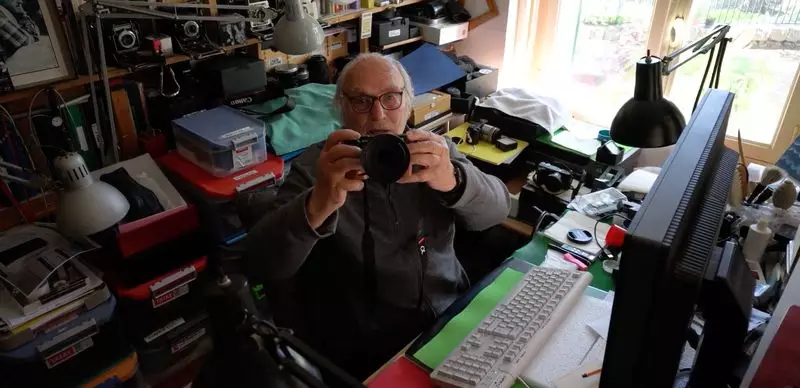
Anna Saura remembers her father as not just a filmmaker but as a complete artist who expressed himself through multiple mediums. Beyond his renowned cinema work, Carlos Saura was an accomplished photographer and writer, passions he maintained throughout his life. His daughter emphasizes how these diverse artistic pursuits informed his unique cinematic vision.
Revolutionizing Spanish Cinema
Carlos Saura's impact on Spanish film cannot be overstated. He emerged as a leading figure in what became known as the "New Spanish Cinema" movement, creating works that subtly criticized the Franco regime through metaphor and allegory. His 1965 film "La Caza" (The Hunt) earned him the Silver Bear at the Berlin International Film Festival, establishing his international reputation.
Perhaps his most celebrated period came through his collaboration with flamenco legend Antonio Gades. Their partnership produced what Anna describes as her father's "flamenco trilogy" – consisting of "Bodas de Sangre" (1981), "Carmen" (1983), and "El Amor Brujo" (1986). These films beautifully merged dance, music, and narrative, showcasing Saura's ability to transcend traditional cinematic boundaries.
Anna particularly highlights "Carmen" as a career milestone that earned her father both the Best Artistic Contribution award at Cannes and an Academy Award nomination for Best Foreign Language Film in 1983. The recognition cemented his status as a filmmaker of global significance.
A Father's Enduring Influence
Beyond his professional achievements, Anna Saura's recollections paint a picture of a devoted father and husband. She shares that Carlos married his third wife, Eulalia Ramón, in 2006, and continued working passionately until his final days. His commitment to his craft remained unwavering, with his last film, "The King of All the World," completed shortly before his passing.
The personal memories Anna shares reveal a man deeply connected to his art while maintaining strong family bonds. She describes how his creative spirit influenced their household, with photography, music, and storytelling becoming integral parts of their daily lives. This environment nurtured her own artistic sensibilities and appreciation for cinematic expression.
Carlos Saura's legacy extends far beyond his filmography. As Anna reflects, his approach to storytelling – combining visual poetry with social consciousness – continues to inspire new generations of filmmakers worldwide. His ability to capture the essence of Spanish culture while addressing universal themes ensures his work remains relevant and powerful decades after its creation.
The tribute from his daughter serves as a moving reminder that behind every great artist lies a human story of passion, dedication, and the enduring bonds of family. Carlos Saura's cinematic contributions have secured his place in film history, while personal memories like those shared by Anna ensure his spirit lives on through those who knew and loved him best.