AI Actor Tilly Norwood's Creator Advocates for 'Future-Proofing' Stars, Claims AI is More Ethical
As Hollywood intensifies its battle against the encroachment of artificial intelligence in the entertainment industry, the creator of AI actor Tilly Norwood has fired back, emphasizing the necessity of embracing technological advancements. Eline van der Velden, CEO of AI company Particle6, has sparked a heated debate by asserting that AI actors represent a more ethical alternative to traditional acting, urging stars to 'future-proof' themselves in an evolving landscape.
The Controversy Surrounding Tilly Norwood
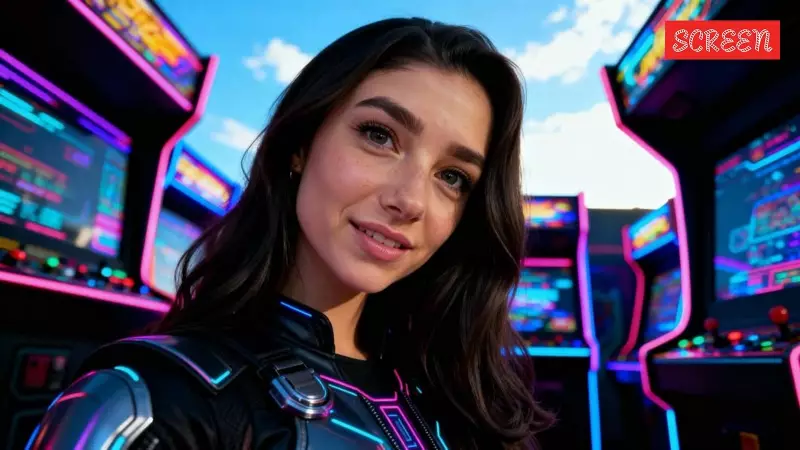
Since her debut, AI-generated actor Tilly Norwood has ignited significant controversy, with many in the film industry rallying against her existence. Amidst widespread concerns about AI ethics and job displacement, van der Velden has stepped forward to defend her creation. In a recent interview with Variety, she challenged critics who dismiss Tilly as mere code, highlighting the human creativity behind the AI.
"When people talk about Tilly Norwood, they often forget one crucial detail: there's a real person and a creative human vision behind her," van der Velden stated. "Actors have always brought characters to life, and that's exactly what I did with Tilly. She didn't simply appear because AI wanted her to, I wanted her to!"

Ethical Advantages of AI Acting
Van der Velden argues that AI actors offer a more ethical approach by alleviating the physical and mental burdens associated with traditional roles. She pointed out that performers often face:
- Dangerous stunts that risk injury
- Intimate scenes that can be emotionally taxing
- Extreme physical transformations requiring surgery or intensive procedures
- Endless hours of hair, makeup, and retouching
- Constant scrutiny over natural aging processes
"Some find it more acceptable for a person to change their appearance through surgery rather than digitally," she remarked, questioning societal double standards. Van der Velden described AI as a "more ethical alternative" that allows actors to avoid these challenges while still delivering compelling performances.
AI Actors as Modern Puppets
Drawing a parallel to traditional art forms, van der Velden compared AI actors to puppets, emphasizing the artistry involved. "We've seen this before: A puppet is not alive, yet no one doubts the artistry of the puppeteer," she explained. "The same is true for animated characters, masks, costumes, and motion-captured creatures. An AI actor is simply a more responsive puppet – one that can learn, adapt to its creator, and perform across mediums."
Hollywood's Anti-AI Campaign
Van der Velden's statements come at a critical time, as over 700 members of the Hollywood community, including high-profile actors like Scarlett Johansson, Cate Blanchett, and Joseph Gordon-Levitt, have joined an anti-AI campaign. This group has issued a strong statement demanding better copyright laws and condemning AI practices as theft rather than innovation.
"It's not progress. It's theft – plain and simple," the campaign declared. "A better way exists – through licensing deals and partnerships, some AI companies have taken the responsible, ethical route to obtaining the content and materials they wish to use."
This clash underscores the deepening divide between AI proponents and traditionalists in Hollywood, with van der Velden positioning AI as a tool for artistic evolution rather than replacement.
The Future of Acting in an AI-Driven World
Van der Velden's advocacy for AI actors centers on the idea of 'future-proofing' careers in entertainment. She believes that embracing AI can open new creative possibilities, allowing actors to take on challenging roles without the associated risks. As the debate rages on, her perspective adds a provocative layer to discussions about ethics, creativity, and the role of technology in shaping the future of film and television.
The ongoing controversy highlights the urgent need for industry-wide dialogues on balancing innovation with ethical considerations, ensuring that both human artists and technological advancements can coexist harmoniously in the ever-evolving world of entertainment.