Today, Aamir Khan stands as Bollywood's ultimate perfectionist. He famously refuses to join any film project unless he feels completely convinced by its script. This careful approach has led him to turn down numerous high-profile offers throughout his career.
The One Exception: Aamir Khan's Unusual Decision
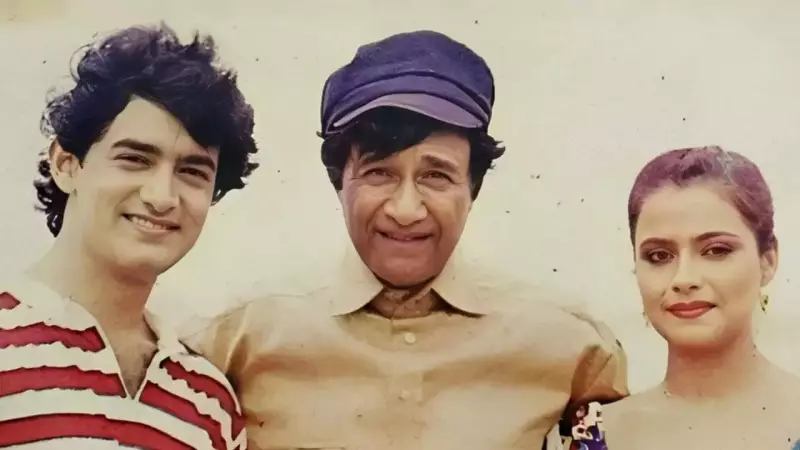
However, early in his acting journey, Aamir made a rare exception to his own rule. He agreed to participate in a film without even asking to hear the story first. This remarkable incident occurred with the 1990 movie Awwal Number, directed by the legendary actor-filmmaker Dev Anand.
Mohan Churiwala, a close friend of Dev Anand, recently shared this story in conversation with Vickey Lalwani. He revealed how Aamir accepted the role purely out of respect for Dev Anand's stature in the industry.

A Father's Advice
"Aamir Khan has mentioned in an interview that Awwal Number remains the only film where his father gave him specific instructions," Mohan explained. "His father told him, 'Don't ask about the story, don't inquire about the script, and don't even discuss the money. Just go and say yes to Dev Saab.'"
Mohan emphasized the profound respect Dev Anand commanded from the very beginning of his career. "Dev Saab's reputation was that significant," he added.
Dev Anand: The Professional Paymaster
During the same conversation, Mohan spoke extensively about Dev Anand's professional ethics, particularly regarding payments to his team members.
"His assistants often told me that Dev Saab was the best paymaster in the business," Mohan recalled. "He never delayed payments. In fact, he would personally call people to ensure they received their dues promptly."
The Birbal Incident
Mohan shared a specific example involving the late comedian Birbal. "Birbal wrote on his YouTube channel about working in the film Lootmaar. Since the movie didn't perform well commercially, Birbal hadn't collected some payments he was owed. Dev Saab called him directly and said, 'Birbal, come immediately and collect your cheque.'"
According to Mohan, box office success or failure never influenced Dev Anand's ethical standards. He maintained his principles regardless of a film's commercial performance.
SD Burman's Strong Opposition
Mohan also recounted a lesser-known episode involving legendary composer SD Burman and Dev Anand's cult classic film Hare Rama Hare Krishna.
"When Burman Dada first heard the story concept, he stood up and expressed strong disapproval," Mohan said. "He declared, 'Don't make this film. This is a disgusting story. What is wrong with you to even plan such a narrative?'"
This reaction deeply affected Dev Anand. Recognizing the discomfort, he decided to introduce an additional character to eliminate any potentially inappropriate angles involving his character and the sister in the story.
Unwavering Resistance
Despite these modifications, SD Burman remained firm in his opposition. "'Don't make this film. I don't want to work on it, and you shouldn't proceed with it either,'" Mohan recalled Burman insisting.
Dev Anand's Determination
Unfazed by this resistance, Dev Anand moved forward with Hare Rama Hare Krishna. He eventually brought RD Burman on board to compose the music. The film went on to become a landmark achievement in Hindi cinema, remembered and celebrated for decades.
Similarly, Awwal Number represented a period when Dev Anand's legacy and reputation carried such weight that even a young, selective actor like Aamir Khan agreed to participate without hesitation. He said yes without hearing the script, without a formal narration, and without asking questions.
This kind of decision seems almost unimaginable in today's entertainment industry, which operates with detailed contracts, numerous clauses, and significant creative control negotiations. It highlights a different era of filmmaking built on trust, respect, and personal relationships.