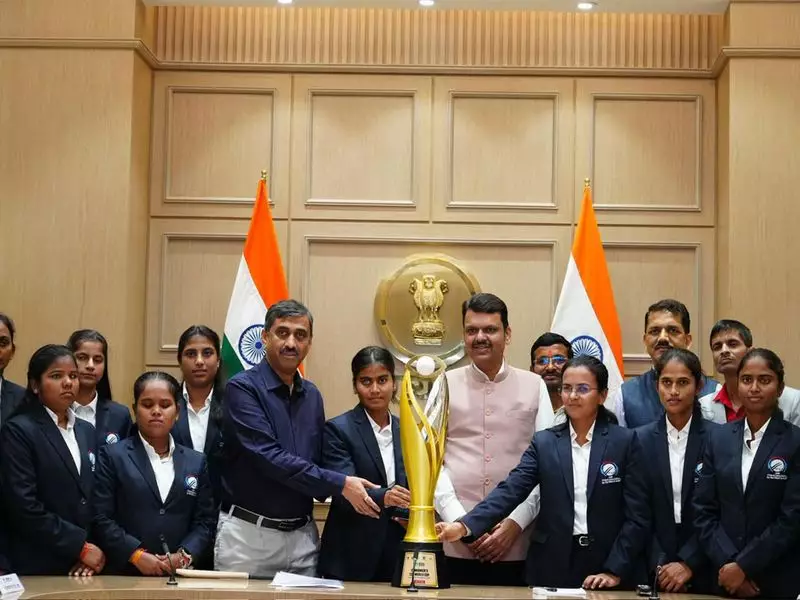
In a heartwarming ceremony that celebrated extraordinary sporting spirit, Maharashtra Chief Minister Devendra Fadnavis felicitated the members of India's blind women's cricket team for their spectacular World Cup victory. The event, held in Mumbai, recognised the athletes' historic achievement on the global stage.
A Triumph Celebrated at the Highest Level
The felicitation ceremony took place at the Chief Minister's official residence, Varsha, located in the Malabar Hill area of Mumbai. Chief Minister Fadnavis personally congratulated each member of the victorious squad, presenting them with mementos as a token of the state's appreciation. He lauded the team for bringing immense pride and glory not just to Maharashtra, but to the entire nation through their determination and skill.
The Indian blind women's cricket team clinched the World Cup title in 2024, defeating formidable opponents in a display of exceptional talent and resilience. Their journey to the championship captivated the nation, highlighting the incredible potential of para-athletes in India.

Beyond the Trophy: A Message of Inspiration
During the event, CM Fadnavis emphasised that the team's success transcends the boundaries of sport. He stated that their victory serves as a powerful inspiration for millions across the country, proving that physical challenges are no barrier to achieving greatness. The Chief Minister praised the players' dedication, rigorous training, and unwavering focus that led them to the pinnacle of international cricket.
The government's recognition of this achievement is seen as a significant step towards promoting inclusivity and para-sports in India. By honouring the team at the highest level of state leadership, the ceremony sends a strong message about the value and importance of supporting athletes from all backgrounds and abilities.
Building a Legacy for Future Champions
The felicitation is expected to boost the morale of the entire para-sports community in Maharashtra and beyond. It underscores the state government's commitment to acknowledging and rewarding sporting excellence, irrespective of the discipline. This public recognition also aims to increase visibility for blind cricket, encouraging more participation and investment in the infrastructure required for the sport.
The World Cup win itself marks a watershed moment for women's blind cricket in India. It places the country firmly on the map as a leading force in this adaptive sport. The team's accomplishment is a testament to their hard work and the growing ecosystem for para-athletes, though challenges in funding and facilities often remain.
Events like the felicitation at Varsha are crucial for changing perceptions and fostering a more supportive environment for differently-abled athletes. As the team members return to their homes with their World Cup medals and the state's honours, they carry with them the hopes of a nation that now sees them not just as champions, but as role models who have redefined the meaning of possibility.