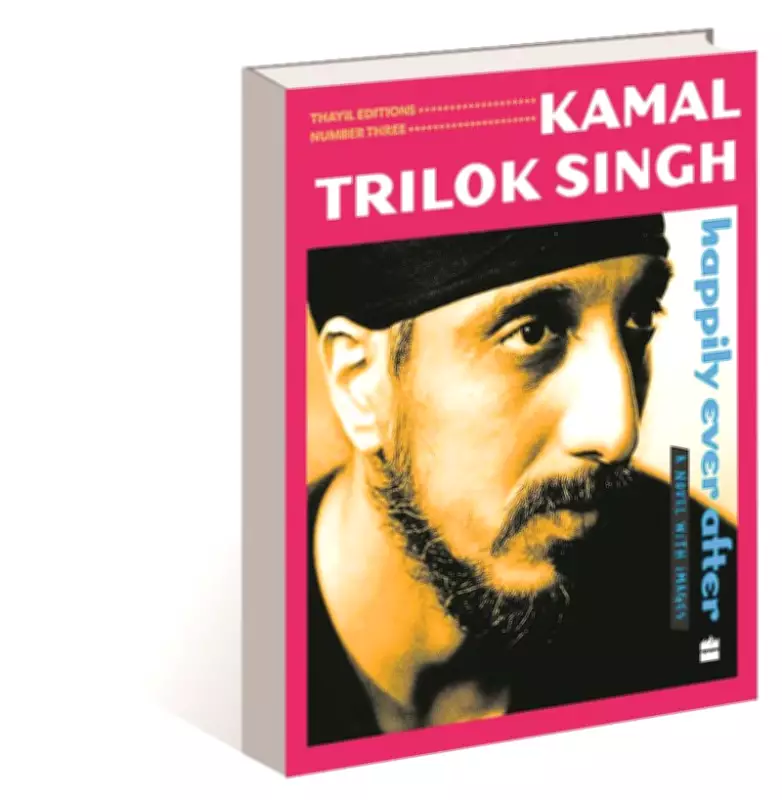
Kamal Trilok Singh's 'Happily Ever After' Examines the Quiet Erosion of Marriage
Kamal Trilok Singh's 'happily ever after', the third title in the Thayil Editions series curated by Jeet Thayil, continues the project's commitment to formal experimentation and departure from conventional storytelling. However, the subtitle 'A Novel With Images' promises a richer interplay between text and image than the book ultimately delivers. While the photographs of everyday objects echo the mundanity of married life, they rarely deepen or complicate the narrative.
A Marriage Worn Thin by Time and Habit
Despite its title, 'happily ever after' is less a romance than an excavation of a marriage worn thin by time, habit, and accumulated disappointments. Narrated by a woman reflecting on her shared life through the haze of alcohol, the text unfolds via memories, observations, and emotional residues. The gradual erosion of affection is rendered through ordinary details: 'You still made coffee, but stopped asking how I slept… You still texted when you were late, but the messages got shorter… Just logistics.' Such moments reveal one of the book's central insights — that domestic estrangement often emerges not from dramatic betrayals but the quiet withdrawal of attention, curiosity, and care.
Prose Style: Economical, Colloquial, and Abrasive
The novel's strength lies in its voice. Singh employs a prose style that is economical, colloquial, and frequently abrasive, drawing on everyday speech, humour, and profanity to create immediacy — 'You tucked my hair behind my ear and didn't say anything clever... Just did it. Just enough.' The language resists literary polish without sacrificing precision. Its bluntness becomes a means of emotional disclosure, allowing states of longing, resentment, tenderness, and fatigue to emerge through observation rather than explanation.

Contradictory Impulses of Long-Term Companionship
At its best, the writing captures the contradictory impulses that coexist in long-term companionship: desire and boredom, devotion yet irritation, dependence alongside disillusionment. Readers may find echoes of Annie Ernaux's 'Simple Passion' in the work's reflective mode and its preference for lived experience. Yet the comparison is necessarily limited, for Singh undertakes the more precarious task of imagining female consciousness from the outside.
Ambiguous Ending: Hope or Desperation?
The ending presents an intriguing ambiguity. The narrator's suggestion that they have a baby feels less like a solution than a gesture of hope: 'Because believing is easier than burning it all down… And I'll love you again, find ways, new ways… Or maybe I won't.' It might invoke the social belief that a child can mend a troubled marriage, but it also leaves the reader uncertain whether the gesture stems from conviction, longing, or desperation.
Irony of the Title: 'Happily Ever After' as a Process
In fact, the irony of the title lies in its refusal to treat 'happily ever after' as a condition of perfect fulfilment. Instead, the novel presents it as a continual striving — a fragile, unfinished process shaped as much by persistence and repair as by love itself. Raw, introspective, and emotionally perceptive, 'happily ever after' succeeds not because it offers answers about marriage, but because it resists judging its characters. Instead, Singh remains attentive to the affective weight of intimacy — its pleasures, frustrations, habits, and contradictions.
Meditation on Why People Stay, Leave, and Return
The novel undoubtedly offers a thoughtful meditation on why people stay, leave, and return. It reiterates that intimate relationships rarely end in moments of certainty; instead, they linger in memories, desires, and doubts, leaving behind emotional landscapes that resist easy interpretation. According to the reviewer Manisha Gangahar, who teaches at GGDSD College, Chandigarh, the book's strength lies in its voice and its refusal to judge its characters.