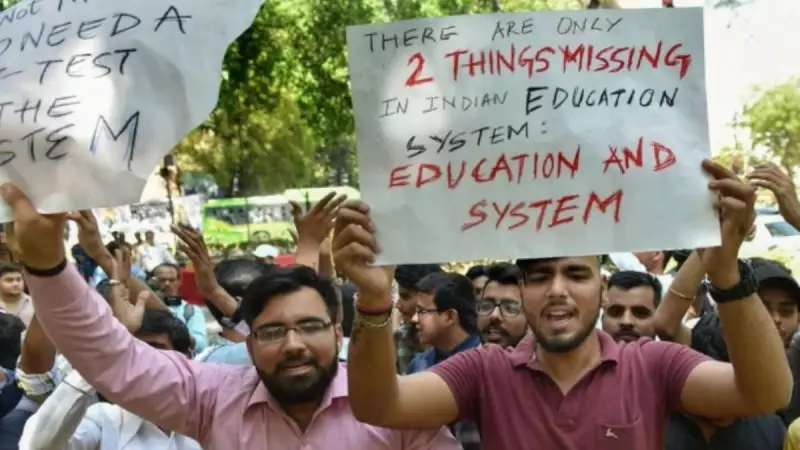
UGC Regulations Row: A Deep Dive into the Controversy and Protests
The University Grants Commission (UGC) regulations have ignited a significant controversy in India's higher education sector, leading to widespread protests by students and teachers nationwide. This ongoing row centers on new rules and amendments that many stakeholders argue could adversely affect academic autonomy, student rights, and the quality of education. Understanding the UGC Act and the reasons behind the protests is crucial to grasp the full scope of this issue.
What is the UGC Act and Its Role in Higher Education?
The UGC Act, established in 1956, serves as the primary regulatory framework for higher education in India. It empowers the University Grants Commission to coordinate, determine, and maintain standards of university education. The Act grants UGC the authority to provide grants to universities, recognize institutions, and advise the government on matters related to higher education. Over the years, the UGC has introduced various regulations to streamline academic processes, but recent changes have sparked intense debate.
The Core Controversy Surrounding the New Regulations
The current controversy stems from specific UGC regulations that have been perceived as restrictive or detrimental by students and teachers. Key points of contention include:

- Changes in Admission and Fee Structures: New rules may alter admission criteria and fee policies, potentially making education less accessible for economically disadvantaged students.
- Impact on Academic Autonomy: Regulations that centralize decision-making could undermine the autonomy of universities and colleges, limiting their ability to innovate and adapt to local needs.
- Alterations in Curriculum and Assessment: Proposed amendments might standardize curricula and assessment methods, which critics argue could stifle academic diversity and critical thinking.
- Faculty Appointments and Working Conditions: Changes in recruitment and service conditions for teachers have raised concerns about job security and academic freedom.
Why Students and Teachers Are Protesting
The protests have gained momentum due to several factors that directly impact the academic community. Students are primarily concerned about increased financial burdens, reduced opportunities for marginalized groups, and potential compromises in educational quality. They argue that the regulations could exacerbate existing inequalities in higher education.
Teachers, on the other hand, are protesting against perceived threats to their professional autonomy and job stability. Many fear that the new rules could lead to arbitrary appointments, undermine tenure systems, and impose bureaucratic controls that hinder effective teaching and research. Additionally, both groups express frustration over a lack of consultation in the regulatory process, feeling that their voices have been sidelined in decisions that profoundly affect their lives and careers.
The Broader Implications for India's Education System
This controversy highlights broader challenges in India's higher education landscape, including the balance between regulation and autonomy, equity in access, and the role of stakeholders in policy-making. The protests underscore the need for inclusive dialogue and reforms that address the concerns of all parties involved. As the situation evolves, it remains to be seen how the UGC and government will respond to the demands of students and teachers.
In summary, the UGC regulations row is a complex issue rooted in the UGC Act's regulatory powers. The protests reflect deep-seated anxieties about the future of higher education in India, emphasizing the importance of collaborative governance and student-teacher welfare in shaping educational policies.