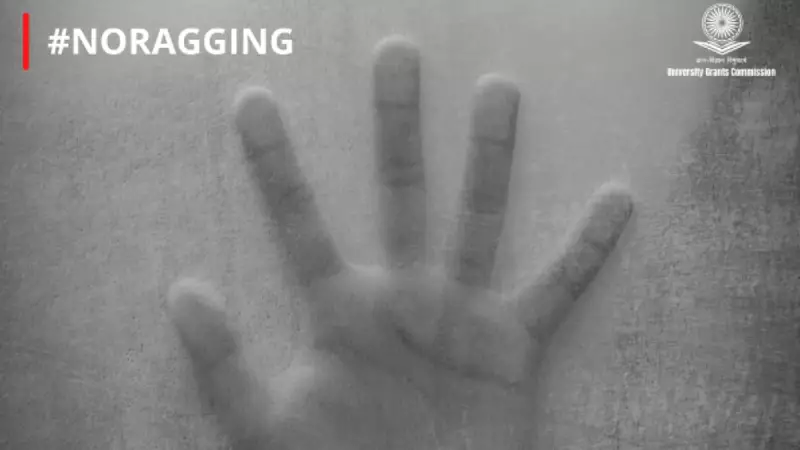
The University Grants Commission (UGC) has taken a decisive step in a tragic case from Himachal Pradesh, constituting a fact-finding committee to investigate the death of a first-year college student in Dharamshala. The incident, which has sent shockwaves through the academic community, is alleged to be linked to ragging.
The Tragic Incident in Dharamshala
According to reports, the victim was a first-year student at a private institute in the Dharamshala area of Kangra district. The young man passed away on October 4, 2024. While initial details were sparse, allegations soon surfaced that the student had been subjected to ragging—a practice of harassment and abuse often meted out by senior students to newcomers in educational institutions.
The situation escalated when the student's family and local community members staged a protest outside the college on October 5. They demanded a thorough investigation and justice for their loss, putting significant pressure on the authorities to act swiftly.

UGC's Swift Institutional Response
In response to the gravity of the situation and the public outcry, the University Grants Commission intervened directly. The UGC has established a dedicated fact-finding committee to look into the circumstances surrounding the student's untimely death. This move underscores the regulatory body's commitment to enforcing its "Zero Tolerance" policy against ragging in higher education institutions across India.
The committee's mandate is to conduct an on-the-ground inquiry, gathering evidence and testimonies to determine the exact sequence of events. A key part of their investigation will be to ascertain whether institutional lapses or failures to comply with anti-ragging guidelines contributed to the tragedy.
Broader Implications and Legal Framework
This case brings the persistent issue of ragging back into the national spotlight. Despite strict regulations and the UGC's Prevention, Prohibition and Redressal of Ragging in Educational Institutions Regulations, such incidents continue to occur. The findings of this committee could have significant repercussions, not just for the involved institute, but as a precedent for how similar cases are handled nationwide.
The probe will examine if the institute had a functional anti-ragging committee and mechanism as required by law. It will also scrutinize whether complaints, if any were made prior to the incident, were addressed promptly. The outcome is awaited by students, parents, and educational administrators alike, as it will test the effectiveness of existing safeguards.
Path Forward and Demand for Accountability
The formation of the UGC committee is a critical step towards establishing accountability. Its investigation is expected to be comprehensive, covering all angles from the alleged ragging act to the institute's immediate response. The case has already highlighted the urgent need for constant vigilance and stricter implementation of anti-ragging measures in colleges and hostels.
As the fact-finding process unfolds, the academic community in Himachal Pradesh and beyond watches closely. The tragedy serves as a somber reminder of the duty of care educational institutions owe to their students. The final report will likely influence policy discussions and enforcement strategies aimed at eradicating the menace of ragging for good.