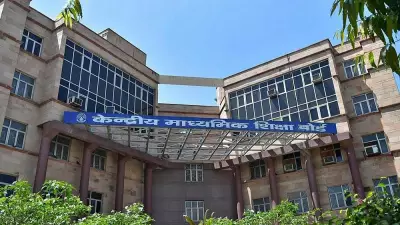
The prestigious Postgraduate Institute of Medical Education and Research (PGI) in Chandigarh has taken a serious step to address a growing scandal. The institute has formed a high-level, six-member committee. This committee will investigate and create guidelines on a highly controversial practice: including school-aged children of faculty members as co-authors on scientific research papers.
The Spark That Ignited the Controversy
The immediate trigger for this action was a report by The Times of India that caused widespread outrage. The report highlighted a specific case where a school student was listed as a co-author on a data-intensive meta-analysis paper. This type of research requires deep expertise in data collection, statistical methods, and rigorous analysis—skills typically far beyond the reach of a school student.
Sources within PGI revealed that the faculty member, whose daughter's name was at the centre of the initial complaint, attempted a defence. They submitted a list showing that other faculty members had also included their children as co-authors on various scientific publications. This revelation suggested the unethical practice might be more widespread than a single incident, prompting the administration to broaden its investigation.

PGI's Swift Response to Protect Its Reputation
Recognising the severe threat to the institution's reputation and the integrity of its research output, the PGI administration acted swiftly. An official stated that the potential damage was clear, leading to the immediate formation of this deliberation committee. The committee is headed by the sub-dean (academics) and includes distinguished professors: Prof Nandita Kakkar, Prof Indu Verma, Prof Surinder Rana, and Prof Nusrat Shafiq.
The formation of this panel is a clear indication of the seriousness with which PGI is treating this breach of academic ethics. A faculty member indicated that the committee is expected to submit its report soon after the ongoing DM/MD examinations conclude.
What Constitutes Ethical Authorship?
The controversy touches on well-established global standards for research authorship. International bodies like the International Committee of Medical Journal Editors (ICMJE) provide clear criteria. To be named an author, an individual must have made substantial contributions to:
- The conception or design of the work.
- Data acquisition, analysis, or interpretation.
- Drafting or critically revising the work.
- And must approve the final version for publication.
Listing individuals who do not meet these criteria—such as school children without the requisite expertise—is considered unethical. This practice falls under the categories of guest authorship or honorary authorship, which undermine the credibility of scientific research.
The PGI committee's task is now to examine these specific incidents in detail and formulate robust, institute-specific guidelines to prevent such ethical lapses in the future. The outcome will be closely watched by the entire academic and medical research community in India.