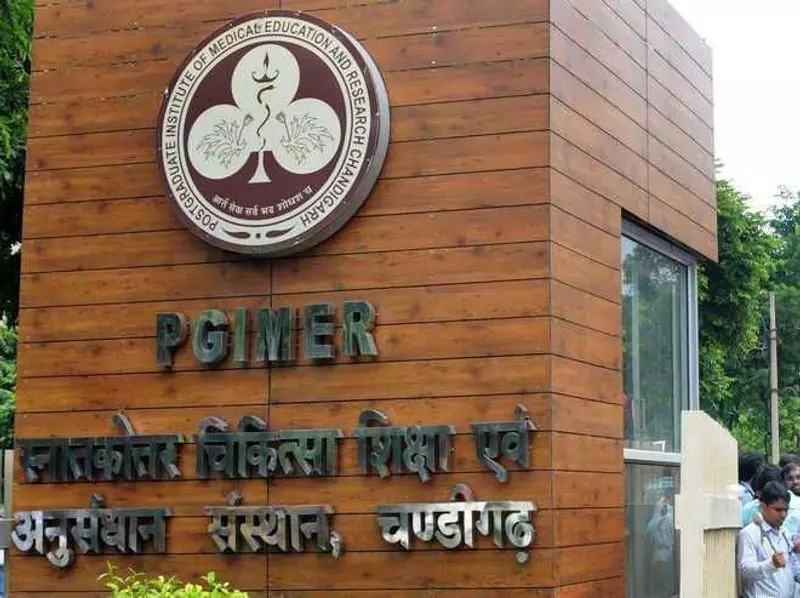
In a significant move aimed at elevating the quality of postgraduate medical education, the Postgraduate Institute of Medical Education and Research (PGI) in Chandigarh has decided to revise its student-teacher ratio. The institute's new policy will bring it in line with the standards followed by the prestigious All India Institute of Medical Sciences (AIIMS).
Aligning with National Benchmarks for Excellence
The decision was formally approved during the 170th meeting of the institute's governing body, which was held on March 28. This strategic shift is designed to ensure that PGI Chandigarh adheres to the highest national benchmarks in medical training. The primary goal is to provide a more focused and intensive learning environment for its postgraduate scholars.
Previously, the student-teacher ratio at PGI was governed by its own internal statutes. The new policy mandates a direct alignment with the ratio prescribed for AIIMS institutions across the country. This change is seen as a proactive step to meet and exceed the guidelines set by the National Medical Commission (NMC), the apex body governing medical education in India.

Implementation and Immediate Impact
The implementation of this revised ratio is set to commence from the upcoming academic session. Professor Vivek Lal, the Director of PGI Chandigarh, confirmed the development, emphasizing its importance for maintaining educational quality. The governing body, chaired by the Secretary of the Department of Health Research and Director General of the Indian Council of Medical Research (ICMR), Professor Rajiv Bahl, gave the final nod to this proposal.
This alignment means that the number of postgraduate students admitted to various departments will now be strictly regulated based on the availability of eligible faculty members, following the AIIMS model. It is expected to reduce the burden on individual professors, allowing for more personalized mentorship and supervision for each student. This move directly addresses long-standing concerns about maintaining educational standards amidst increasing student intakes.
Broader Implications for Medical Education
The decision is widely regarded as a major academic reform for the premier institute. By adopting the AIIMS-standard ratio, PGI Chandigarh strengthens its position as a leading center for medical research and education. It ensures that the institute remains competitive and attractive to top-tier students and faculty nationwide.
Experts believe this will enhance the overall learning outcomes and research productivity of the institute. A better student-teacher ratio facilitates closer interaction, more effective guidance for theses and dissertations, and a stronger focus on research-led clinical training. This policy update underscores PGI Chandigarh's commitment to fostering an environment of academic excellence that rivals the best institutions in the country.
The move is also a response to the evolving landscape of medical education in India, where regulatory bodies are emphasizing quality over quantity. PGI's initiative sets a precedent for other autonomous medical institutes to review and upgrade their academic frameworks to match national excellence parameters.