Ohio State University President Ted Carter Resigns Abruptly Following Admission of Inappropriate Relationship
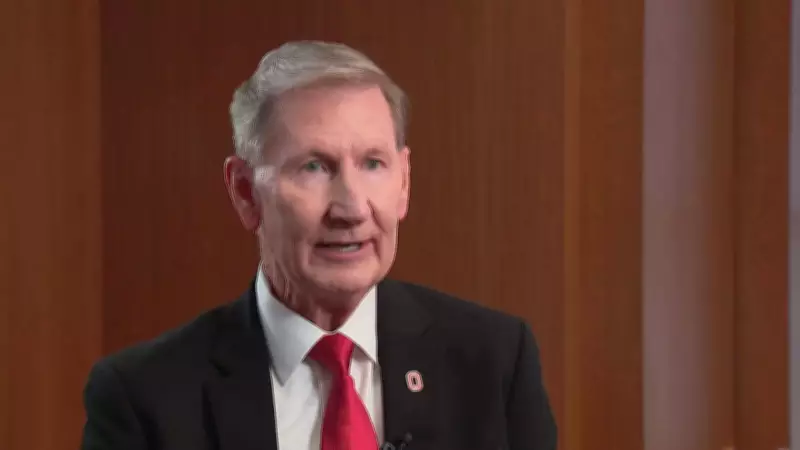
In a sudden and dramatic development, Ohio State University President Ted Carter has resigned from his position, citing an "inappropriate relationship" as the reason for his departure. The university's Board of Trustees convened an emergency meeting on March 7 and formally accepted Carter's resignation, marking an unexpected end to his brief tenure at the helm of Ohio's largest university.
Details of the Relationship and Resignation
According to official statements, President Carter informed the Board of Trustees in advance of the emergency meeting that he had engaged in an inappropriate relationship with "someone seeking public resources to support her personal business." This admission prompted the swift action by the board, though the university has not provided further clarification on the nature of the relationship or whether additional details will be disclosed.
The lack of specifics has left many questions unanswered, with the university maintaining a tight-lipped approach regarding the exact circumstances. The phrase "inappropriate relationship" remains undefined in this context, and it is unclear if any legal or ethical violations beyond personal misconduct are involved.

Carter's Background and Tumultuous Tenure
Ted Carter, a former vice admiral in the U.S. Navy and previous president of the University of Nebraska system, began his role at Ohio State University in 2024. His two-year stint was marked by significant challenges and controversies, as reported by sources like the Columbia Dispatch.
During his presidency, Carter navigated a turbulent period for the institution, which included:
- Crackdowns on University Protests: The university faced heightened tensions and administrative actions regarding student and faculty demonstrations.
- Conversations Around Artificial Intelligence in Education: Carter oversaw discussions and initiatives related to the integration of AI into academic and operational frameworks.
- Government-Ordered Reshaping of University Education: External mandates and policy changes required adjustments to the university's educational structure and offerings.
These issues compounded the pressures of his leadership role, making his sudden resignation all the more surprising to the academic community and stakeholders.
Implications and Next Steps
The resignation raises immediate questions about the future leadership of Ohio State University and the potential impact on ongoing projects and policies. The Board of Trustees will likely initiate a search for an interim or permanent replacement, though no announcements have been made yet.
This incident also highlights broader concerns about ethical conduct and transparency in higher education administration, particularly at large public institutions. As the university moves forward, it may face scrutiny over how such matters are handled and communicated to the public.
In summary, Ted Carter's abrupt departure underscores the complexities and challenges facing modern university presidents, while leaving a void in leadership at a critical time for Ohio State University.