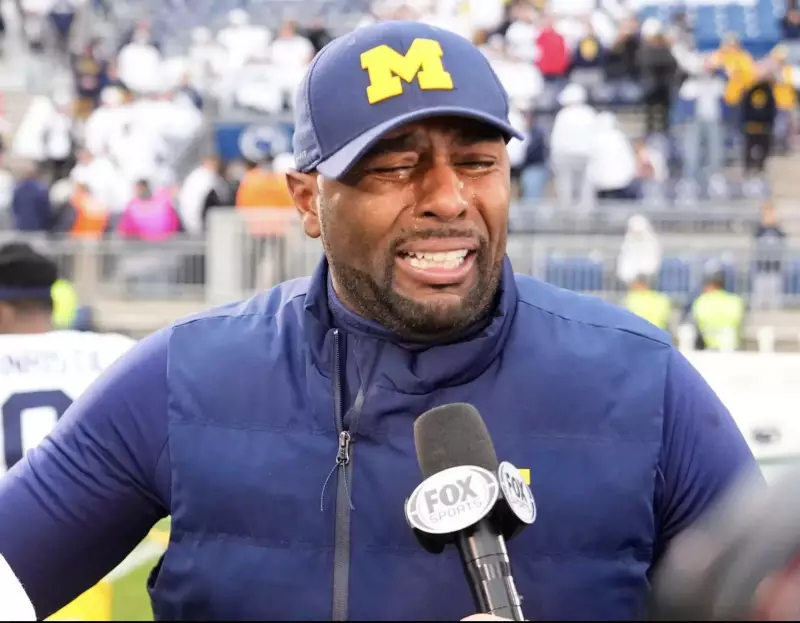
The University of Michigan's athletic department finds itself at the centre of a major controversy, navigating the fallout from a high-profile dismissal and a subsequent legal case. The university made the decisive move to fire head football coach Sherrone Moore for cause, following an internal investigation that uncovered an inappropriate relationship with a staff member. However, in a twist that has sparked widespread debate, the university employee involved in the relationship remains employed, a decision rooted firmly in institutional policy.
The Core of the Controversy: Policy vs. Public Perception
On December 10, 2025, the University of Michigan abruptly dismissed Sherrone Moore from his position as head football coach. The action came after an internal review found credible evidence that Moore had engaged in an inappropriate relationship with a member of the university staff. This conduct was deemed a clear violation of the university's professional standards, leading to a termination "with cause." This critical designation means the university is not obligated to pay out the remainder of Moore's lucrative contract.
The situation escalated dramatically just hours after his firing, when Moore was arrested and charged with felony home invasion, stalking, and breaking and entering. Prosecutors allege these charges are connected to an incident at the woman's home that occurred shortly after the personal relationship between the two had ended. Authorities stated that Moore had made numerous unwanted attempts to contact the staffer prior to the alleged break-in.

Despite the severe action taken against Moore, the university's choice to retain the staffer has raised eyebrows across social media and college football circles. Many have questioned the apparent inconsistency. The university's explanation, however, is unequivocal: it followed its own human-resources protocol to the letter.
Decoding Michigan's HR Policy: Why the Staffer Kept Her Job
The entire decision hinges on University Policy No. 201.97, which specifically governs intimate relationships between supervisors and their subordinates. The key tenets of this policy create a clear distinction in responsibility:
- Supervisors are strictly prohibited from initiating or engaging in romantic or sexual relationships with employees they supervise.
- If a supervisor has a pre-existing relationship, they must disclose it immediately so the university can act to remove any power imbalance, typically by reassigning the subordinate.
- Failure by a supervisor to disclose such a relationship is considered a serious violation and can be grounds for discipline, including termination.
- Critically, the policy does not mandate subordinate employees to disclose relationships with their supervisors, though they are encouraged to do so.
The logic behind this asymmetric rule is based on workplace power dynamics. Supervisors hold inherent authority over a subordinate's career trajectory, job performance evaluations, and professional opportunities. By placing the sole disclosure obligation on the supervisor, the policy aims to protect more vulnerable employees from potential coercion or retaliation. Once a relationship is disclosed, the university's role is to eliminate the supervisor's direct authority over that employee.
In this case, Sherrone Moore never disclosed the relationship as required. This failure alone constituted a major breach of policy and provided the legal basis for his termination. Conversely, as a subordinate employee, the staffer had no formal obligation under Policy 201.97 to report the relationship and, therefore, cannot be disciplined for not coming forward.
Fallout and Future Investigations
The scandal has sent shockwaves through the Michigan football program. Interim coach Biff Poggi has openly acknowledged the emotional toll on the team, stating that players feel a sense of betrayal as they prepare for their upcoming Citrus Bowl game. Rebuilding trust and focus within the roster has become an immediate challenge.

Looking forward, the university is not treating the matter as closed. Reports indicate that Michigan has hired an outside law firm to expand its investigation. This broader probe will examine how the situation was handled internally and assess whether there are any systemic cultural or compliance issues within the athletic department that need to be addressed.
Ultimately, the University of Michigan's stance is that its decision was not a judgment on the relationship itself, but a strict application of its rules designed to mitigate power imbalances. Sherrone Moore's failure to comply with his specific obligations as a supervisor led to his dismissal, while the subordinate employee, protected by the same policy's distinctions, remains in her position.