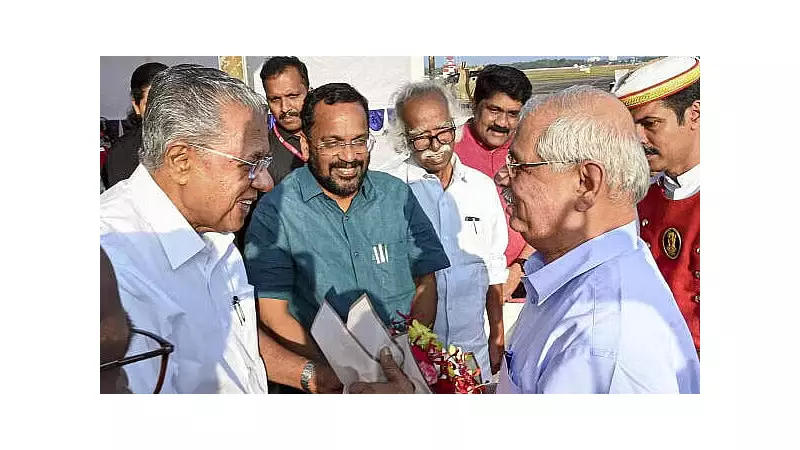
A recent breakthrough in the prolonged deadlock between the Kerala Governor and the state government over appointments to key academic posts has been achieved, but it has simultaneously ignited fresh allegations of a political compromise. The stalemate was broken with the appointment of vice-chancellors for two prominent state universities.
Appointments End Long-Standing Impasse
On 17 December 2025, the state witnessed the appointment of two new vice-chancellors. Ciza Thomas was named as the vice chancellor of the APJ Abdul Kalam Technological University (KTU). In a parallel development, Saji Gopinath was appointed as the vice-chancellor of the Kerala University of Digital Sciences. These appointments mark a significant shift after a period of sustained tension and disagreement between the Raj Bhavan and the state administration regarding the selection process for such high-profile academic positions.
Truce Fuels Allegations of Backroom Dealings
While the resolution of the standoff is being viewed as a step towards administrative normalcy in the higher education sector, it has not been without controversy. Opposition parties and critics have been quick to label the sudden agreement as evidence of a political nexus. The core of the allegation suggests that the truce was brokered through behind-the-scenes negotiations that may have prioritized political expediency over transparent and merit-based selection criteria. Critics argue that such arrangements undermine the autonomy and integrity of academic institutions.

Broader Implications for Governance
The episode highlights the ongoing friction in Kerala concerning the roles and boundaries of constitutional authorities. The governor's office and the elected state government have frequently been at odds on various issues, with university appointments being a particularly contentious point. This recent development, while solving an immediate problem, sets a precedent that could influence future dealings. It raises critical questions about the balance of power and whether public institutions are becoming arenas for political bargaining.
The final outcome remains to be seen. Will these appointments lead to stable leadership in the universities, or will the shadow of the alleged political nexus continue to affect their governance? The situation underscores the delicate interplay between politics and academia in the state.