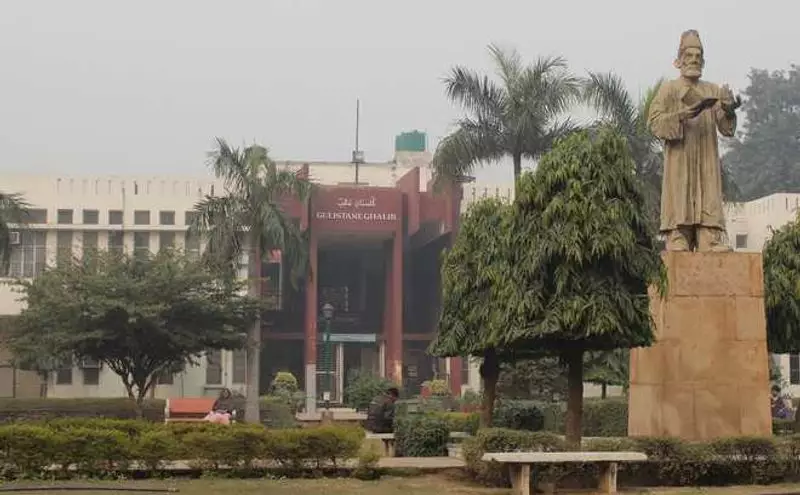
Researchers from Jamia Millia Islamia (JMI) in New Delhi have played a pivotal role in a landmark international study investigating the profound impact of social connection on human health and longevity. The significant findings of this extensive research have been published in the prestigious scientific journal Nature.
Jamia's Role in a Worldwide Research Endeavor
The study, titled 'The Lancet and Financial Times Commission on Governing Health Futures 2030: Growing Up in a Digital World', represents a colossal collaborative effort. It synthesizes evidence from experts across the globe. The team from Jamia Millia Islamia, led by distinguished scholars, contributed crucial data and analysis, placing Indian academic research firmly on the world map of social science and public health.
This isn't just another academic paper; it's a comprehensive review that pulls together decades of research to present an irrefutable case. The core finding is stark: social connection is as critical to human well-being as food and water. Conversely, social isolation and loneliness pose severe risks to both mental and physical health, comparable to well-established dangers like smoking and obesity.

Key Findings: The Tangible Power of Human Bonds
The research outlines several concrete ways in which social bonds influence our lives. A strong social network, the study confirms, acts as a powerful buffer against stress, depression, and anxiety. People with meaningful connections tend to report higher levels of life satisfaction and happiness.
On the physical health front, the data is equally compelling. The study found that individuals with robust social ties have a significantly reduced risk of premature mortality. The protective effects extend to cardiovascular health, immune function, and even cognitive decline in later years. The message is clear: nurturing relationships is not a luxury but a fundamental component of a healthy lifestyle.
Implications and the Path Forward
The publication of this study in Nature carries immense weight for policymakers, healthcare professionals, and community leaders worldwide, including in India. It moves the conversation about loneliness from a soft social issue to a pressing public health priority. The findings advocate for systemic changes, suggesting that social connection should be integrated into public health campaigns and urban planning.
For educational institutions like Jamia Millia Islamia, this achievement underscores their growing capacity to contribute to high-impact, solution-oriented global research. It highlights the university's commitment to addressing not just local but universal human challenges through rigorous academic inquiry. The involvement of JMI scholars provides a vital South Asian perspective to a global dialogue, ensuring the findings are relevant across diverse cultural contexts.
In an era where digital interaction often substitutes for face-to-face contact, and urban lifestyles can foster isolation, this research serves as a critical reminder. It calls for a collective effort to rebuild and strengthen the social fabric of our communities, recognizing it as essential infrastructure for a healthy society.