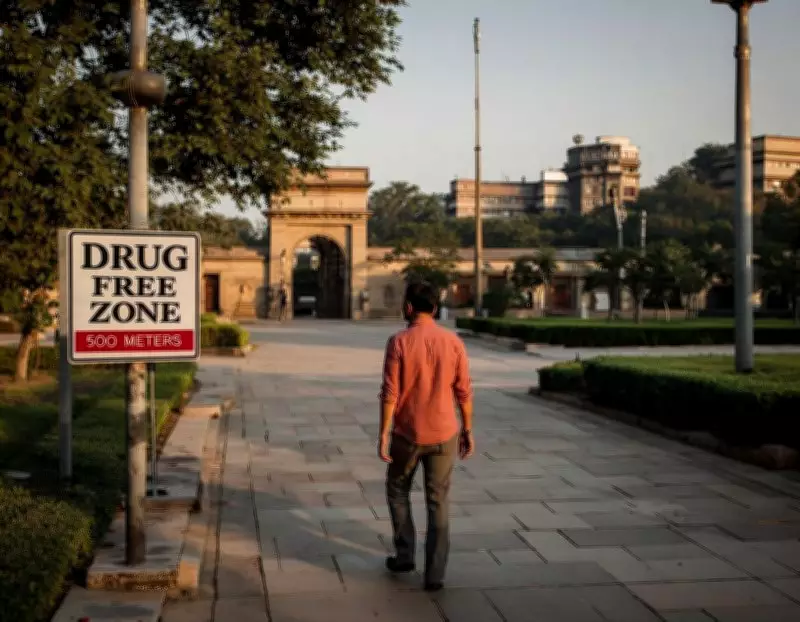
Haryana Government Mandates 500-Meter Drug-Free Zones Around Educational Institutions
In a decisive move to tackle the growing menace of substance abuse among students, the Haryana government has issued a directive requiring all universities and colleges across the state to establish and enforce drug-free zones within a 500-meter radius of their campuses. This initiative aims to create a safer and healthier academic environment, shielding young minds from the perils of drug addiction.
Comprehensive Guidelines for Implementation
The directive outlines a series of stringent measures that educational institutions must adopt to ensure compliance. Universities and colleges are instructed to collaborate closely with local law enforcement agencies to monitor and prevent any drug-related activities in the designated zones. This includes regular patrols, surveillance, and swift action against violators.
Additionally, institutions are mandated to implement awareness programs and counseling services to educate students about the dangers of drug abuse. These programs will focus on prevention, early intervention, and rehabilitation, providing support to those at risk or already affected by substance abuse.

Key Components of the Drug-Free Zone Initiative
- Establishment of a 500-meter perimeter around all university and college campuses as a drug-free zone.
- Enhanced coordination with police and anti-narcotics units for enforcement and monitoring.
- Mandatory awareness campaigns and workshops on drug abuse prevention for students and staff.
- Provision of counseling and rehabilitation services within educational institutions.
- Regular inspections and audits to ensure adherence to the guidelines.
Addressing a Critical Public Health Issue
The Haryana government's directive comes in response to alarming reports of increasing drug use among students, which poses a significant threat to their health, academic performance, and future prospects. By creating these drug-free zones, the authorities aim to curb the availability and consumption of illicit substances in educational settings.
This proactive approach is expected to foster a culture of zero tolerance towards drugs, encouraging students to focus on their studies and personal development without the distractions and dangers associated with substance abuse. The initiative also underscores the government's commitment to safeguarding the well-being of the youth, who are the future of the state and nation.
Expected Outcomes and Future Steps
With the enforcement of drug-free zones, Haryana anticipates a noticeable reduction in drug-related incidents on and around campuses. Educational institutions are required to submit regular reports on their compliance and the effectiveness of the measures implemented.
Looking ahead, the government plans to expand this initiative to include schools and other educational establishments, ensuring a comprehensive strategy to combat substance abuse across all levels of education. This holistic effort is poised to set a benchmark for other states to follow, promoting a drug-free society and nurturing a healthier, more productive generation.