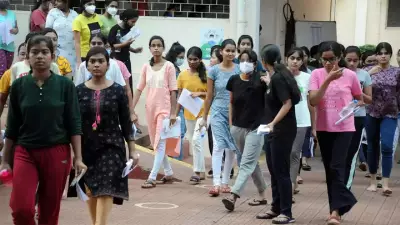
Students at the University of Agricultural Sciences (UAS) in Dharwad have launched a significant protest, accusing both the state government and the university administration of neglecting their fundamental demands. The agitation, organized by the Students' Association, centers on critical issues like the non-payment of scholarships for two years and severely deteriorating campus facilities.
Core Grievances: From Financial Aid to Failing Infrastructure
Leading the protest, Students' Association president Sanat Totiger outlined a series of unresolved problems. The financial health of the university is in dire straits, he claimed, leading to the collapse of essential student services. A primary concern is the hostel infrastructure, which students describe as deplorable.
Totiger alleged that hostels lack proper drinking water, have no hot water for bathing, and feature poorly maintained washrooms. This situation causes severe daily inconvenience for both male and female residents. Despite bringing these issues to the authorities' attention repeatedly, no corrective action has been taken.

Scholarship Crisis Hits OBC and Minority Students Hard
The protest highlights a glaring disparity in scholarship disbursement. According to Totiger, scholarships for Other Backward Classes (OBC) and minority students have been withheld for the past two years. He explained that while the state government launched a unified scholarship portal and assigned three departments to handle payments, the funds have not reached the students.
Previously, OBC and minority students received Rs 38,000, covering half of their total college fees. In a stark contrast, students from Scheduled Caste (SC) and Scheduled Tribe (ST) communities continue to receive scholarships covering 90% of their fees, with the college waiving the remaining 10%. This has created a significant financial divide on campus.
Compounding the crisis, the government reportedly reduced the scholarship amount for OBC and minority students to Rs 15,000 last year. This drastic cut coincided with an increase in college and hostel fees, now totaling Rs 1.25 lakh, placing an immense burden on affected families.
Broader Institutional Neglect and Staff Shortage
The students' grievances extend beyond immediate living conditions and scholarships. Totiger accused the government of failing to release nearly Rs 50 crore to the university over the last two years. This funding gap has crippled the institution's ability to upgrade or maintain basic infrastructure, contributing to the overall decline.
Academic quality is also under threat due to a severe staff shortage. The university, with around 2,000 students across 28 departments, operates with only 82 permanent teaching staff. Of these, nearly 20 are scheduled to retire in March. With no fresh recruitment conducted for years, the student-teacher ratio is unsustainable, adversely affecting education.
The protest also touched on extracurricular opportunities. Totiger stated that several students selected for national-level athletics and yoga competitions cannot participate because the cash-strapped university cannot bear their travel and daily allowance expenses, potentially jeopardizing their sporting careers.
Warning of Escalation if Demands Are Ignored
Following the protest on the UAS campus, where students raised slogans, the association submitted a formal memorandum to the varsity authorities seeking immediate intervention. Sanat Totiger issued a clear warning: if the government and university administration fail to address their legitimate demands promptly, the students will be forced to intensify their agitation.
This protest underscores a deepening crisis in state-funded agricultural education, where financial mismanagement and administrative delays are directly impacting student welfare and academic excellence.