Berhampur University Adopts Traditional Firewood Kitchens Amid Severe LPG Supply Crisis
In a significant response to a critical shortage of cooking gas, Berhampur University has implemented an emergency measure by switching to traditional firewood-based cooking systems to operate its hostel mess facilities. This innovative adaptation ensures that approximately 1,500 hostel residents continue to receive their daily meals without interruption.
University Authorities Grant Permission for Outdoor Firewood Kitchens
Geetanjali Dash, the Vice-Chancellor of Berhampur University, officially announced the decision on Saturday, emphasizing the institution's commitment to student welfare. "We have permitted the mess managers to prepare food for hostel inmates using firewood outside the hostel buildings to prevent any disruption to kitchen operations," Dash stated. She further highlighted the importance of maintaining normalcy during examination periods, noting, "The students are currently preparing for their exams, and they should not be disturbed by a food supply crisis."
Logistical Implementation and Student Impact
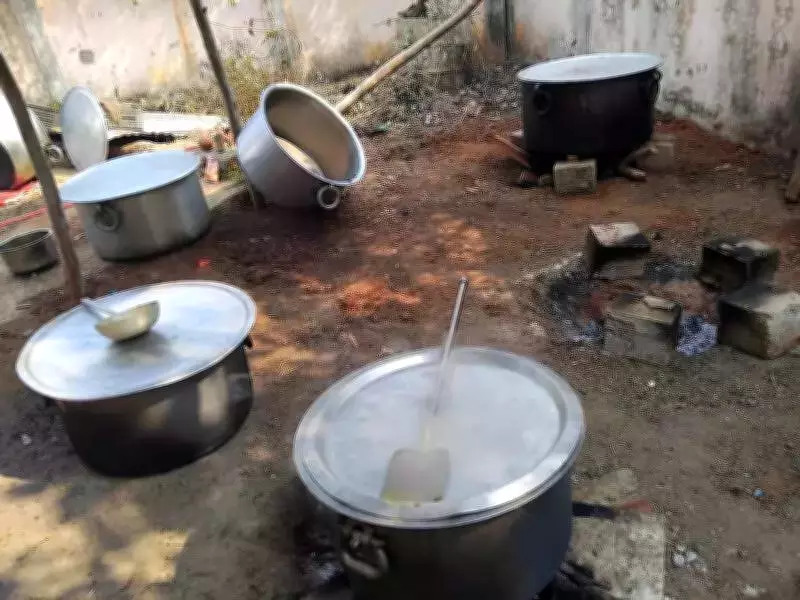
The university's hostel infrastructure includes 17 hostels situated on campus, housing a total of 1,487 boarders. Among these residents, 896 are female students. Previously, five messes—including three dedicated to girls—catered to the inmates. To address the LPG shortage, mess managers have established two temporary open kitchens at strategic locations near the hostels, complete with erected sheds to protect against weather conditions.

Ganeshwar Sethy, the warden of the hostels, assured that the transition to firewood cooking has not compromised meal standards. "Although we have switched to using firewood for food preparation, we have not altered the lunch and dinner menus. The quantity and quality of the food remain consistent," Sethy explained while supervising the new cooking arrangements.
Operational Challenges and Supply Chain Adjustments
The daily operation of the university messes typically requires two commercial gas cylinders, but supply disruptions over recent days necessitated this alternative approach. Ranjan Kumar Sahu, a mess manager, detailed the procurement process: "We requested university authorities to allow kitchen operations using firewood. After obtaining permission, we sourced firewood from a forest depot to initiate the makeshift kitchens." Sahu confirmed that these temporary setups will continue until the cooking gas supply is fully restored and streamlined.
The makeshift kitchens are strategically positioned near both girls' and boys' hostels, enabling centralized food preparation before distribution to various mess halls. Sahu added, "With covered sheds in place, there will be no issues in preparing food even during rainy conditions."
Broader Implications and Student Welfare Focus
This proactive measure underscores the university's dedication to ensuring student well-being amidst logistical challenges. By reverting to traditional cooking methods, Berhampur University not only addresses immediate supply chain issues but also demonstrates resilience in maintaining essential services. The initiative reflects a careful balance between modern infrastructure demands and adaptive, sustainable solutions in times of crisis.
As students concentrate on their academic commitments, the university's swift action highlights the importance of institutional support in mitigating external disruptions, ensuring that educational pursuits remain unaffected by unforeseen circumstances.