The national president of the Indian Youth Congress, Uday Bhanu Chib, has urgently appealed to the highest levels of the Indian government to safeguard the lives of Indian medical students currently studying in Iran. This call for action comes in response to escalating violence within the Islamic Republic, which has already resulted in at least ten fatalities.
An Urgent Appeal for Diplomatic Intervention
In formal letters addressed to Prime Minister Narendra Modi and External Affairs Minister S. Jaishankar, Chib highlighted the growing peril faced by the student community. He stressed that the safety of Indian medical students in Iran cannot be left to uncertainty and called for prompt measures through diplomatic channels. The primary goal is to ensure the students' protection and to provide reassurance to their anxious families back in India.
"In view of the concerns surrounding Indian medical students in Iran, I have written to the prime minister and the external affairs minister, calling for immediate measures to ensure their safety and reassurance," Chib stated in an official release. He further affirmed that the Indian Youth Congress stands with every Indian student studying abroad during this crisis.

Context of the Widespread Unrest in Iran
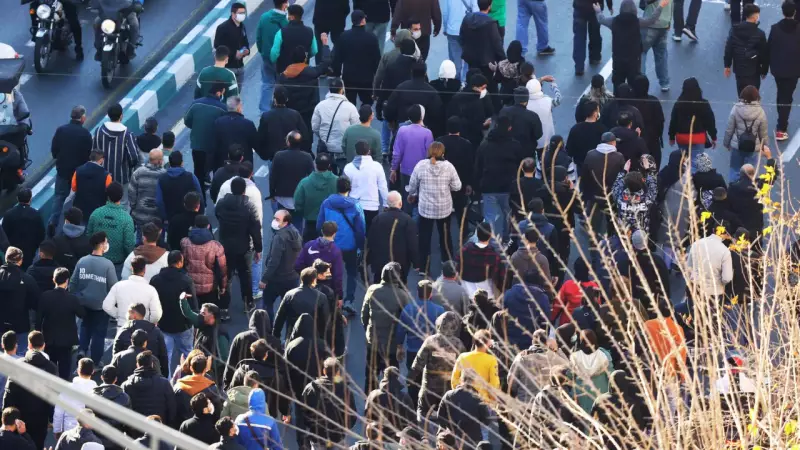
The current wave of protests marks the most significant civil unrest Iran has witnessed since 2022. The earlier demonstrations were triggered by the tragic death of 22-year-old Mahsa Amini, who died in police custody after being detained for allegedly not wearing her hijab according to official standards. The present protests, however, are largely fueled by the country's ailing economy and have led to widespread violence.
It is within this volatile environment that Indian students, particularly those pursuing critical medical education, find themselves. Their well-being has become a matter of grave concern for Indian political leaders and citizens alike.
Ensuring Student Safety: A National Imperative
The appeal from the Youth Congress president underscores a broader expectation from the Indian government to actively protect its citizens overseas. The request is for concrete diplomatic intervention to secure the students' immediate safety and to establish clear communication regarding their status.
This situation brings into sharp focus the challenges faced by the large Indian student diaspora across the globe and the mechanisms needed to support them during international crises. The government's response to this appeal will be closely watched by students, parents, and political observers.