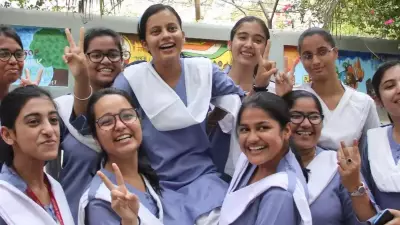
Indian Diaspora Hailed as Global Asset Amid Declining Student Mobility
The Indian diaspora, a vibrant and influential community spread across the world, continues to be recognized as a significant asset for both India and host countries. However, recent trends indicate a notable shift in the flow of Indian students pursuing education overseas. Over the past three years, the number of Indian students heading abroad has fallen by a substantial 31%, a decline largely driven by tightening visa rules and evolving global immigration policies.
Factors Behind the Sharp Decline in Student Outflow
Several key factors have contributed to this significant drop in Indian students going abroad. Primarily, stricter visa regulations in popular destination countries, such as the United States, United Kingdom, Australia, and Canada, have made it more challenging for students to obtain study permits. These changes often include heightened scrutiny of applications, increased financial requirements, and more rigorous background checks.
Additionally, geopolitical tensions and economic uncertainties in some regions have led to policy adjustments that indirectly affect student mobility. For instance, post-pandemic recovery efforts and shifts in immigration priorities have prompted countries to reassess their intake of international students, sometimes resulting in reduced quotas or more selective criteria.

Impact on the Indian Diaspora and Education Sector
Despite the decline in student numbers, the Indian diaspora remains a powerful force, contributing to economies, cultures, and innovation worldwide. This community is often seen as an asset due to its high levels of education, entrepreneurial spirit, and strong ties to India. However, the reduced outflow of students could have long-term implications for the diaspora's growth and diversity.
From an educational perspective, the drop may affect Indian students' access to global opportunities and international exposure. It could also influence the revenue streams of foreign universities that rely on tuition fees from Indian students. On the positive side, this trend might encourage more students to explore domestic or regional educational options, potentially boosting India's higher education sector.
Future Outlook and Potential Reversals
Looking ahead, the trajectory of Indian student mobility will likely depend on how visa policies evolve in key destination countries. If rules become more lenient or if new agreements are forged between India and other nations, the decline might reverse. Conversely, if restrictions persist or tighten further, the outflow could continue to decrease.
Experts suggest that India could leverage this situation by enhancing its own educational infrastructure and promoting study-abroad alternatives, such as online programs or partnerships with foreign institutions. This approach could help maintain the diaspora's strength as an asset while adapting to changing global dynamics.
In summary, while the Indian diaspora is celebrated as a valuable global asset, the recent 31% fall in students going abroad highlights the impact of visa rule changes. This trend underscores the need for adaptive strategies in international education and diaspora engagement to navigate an increasingly complex global landscape.