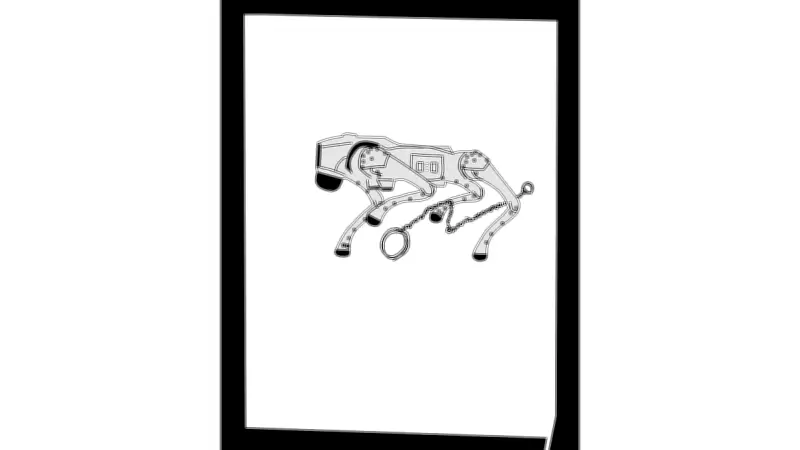
What the Robot Reveals About India's Education System
The integration of a robot into India's educational landscape has sparked a profound discussion about the current state and future direction of learning in the country. This technological intervention serves as a mirror, reflecting deep-seated issues that demand immediate attention from policymakers, educators, and society at large.
Regulatory Gaps in Educational Technology
The deployment of robots in classrooms underscores significant regulatory gaps within India's education sector. Currently, there is a lack of comprehensive frameworks governing the use of advanced technologies like artificial intelligence and robotics in educational settings. This absence of clear guidelines can lead to inconsistent implementation, potential misuse, and ethical concerns regarding data privacy and student safety.
Without robust regulations, the adoption of such technologies may exacerbate existing inequalities, as only well-funded institutions can afford these innovations. This regulatory vacuum necessitates urgent action to establish standards that ensure equitable access and responsible usage across all educational levels.

The Rise of Commercialisation in Education
Another critical revelation from the robot's introduction is the escalating commercialisation of India's education system. The push for technological tools often comes with a price tag, turning education into a profit-driven enterprise rather than a public good. This trend risks prioritizing market interests over educational outcomes, potentially sidelining underprivileged students who cannot afford such advancements.
The commercial focus may also lead to a narrow curriculum centered on rote learning and test preparation, as companies market products promising quick results. This undermines the holistic development of students, emphasizing memorization over critical thinking and creativity.
Emphasizing Adaptability in Learning
In response to these challenges, there is a growing need to foster adaptability in India's education system. The robot exemplifies how technology can personalize learning experiences, catering to individual student needs and pacing. However, this requires a shift in pedagogical approaches, moving away from rigid, one-size-fits-all models to flexible, student-centered methods.
Educators must be trained to integrate technology effectively, using tools like robots to enhance engagement and problem-solving skills. This adaptability extends beyond technology to include curriculum reforms that prepare students for a rapidly changing job market, emphasizing skills like collaboration, innovation, and resilience.
Reinforcing Social Purpose in Education
Beyond adaptability, the robot's role highlights the importance of reinstating social purpose as a core tenet of education. In an era of increasing commercialisation, it is crucial to remember that education should serve societal goals, such as promoting equity, fostering citizenship, and addressing community needs. Technology, including robots, should be leveraged to advance these objectives, not just drive profits.
Initiatives that use educational technology for social good, such as bridging rural-urban divides or supporting inclusive learning for disabled students, can help realign the system with its foundational purpose. This requires collaborative efforts from government, private sector, and civil society to ensure that innovations benefit all segments of society.
Conclusion: A Call for Balanced Reform
The robot in India's education system acts as a catalyst for much-needed reform. By exposing regulatory gaps and commercial pressures, it urges stakeholders to prioritize adaptability and social purpose. A balanced approach that harnesses technology while upholding ethical standards and inclusive values is essential for building a future-ready education framework in India.