LPG Crisis in Vijayawada: Global Conflict Disrupts Daily Life for Thousands of Students
The ripple effects of international geopolitical tensions have now reached the daily lives of thousands in Vijayawada, as a severe LPG shortage, triggered by the ongoing conflict involving Iran, has begun to significantly impact students and working professionals residing in paying guest (PG) hostels across the city. Residents report that this crisis has not only disrupted their regular meal schedules but also led to a sharp increase in living expenses, creating a challenging environment for those focused on studies and careers.
Widespread Impact on Hostel Dwellers
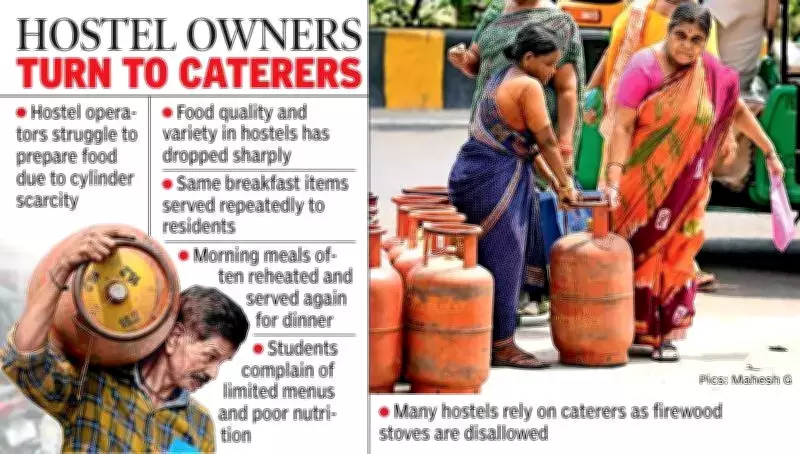
Approximately 9,000 individuals staying in men's and women's PG hostels, particularly around the Vijaya Talkies locality, rely entirely on hostel kitchens for their daily nutrition. The majority of these residents are young aspirants diligently preparing for various competitive examinations or early-career professionals building their futures. With the sudden scarcity of LPG cylinders, hostel operators have found it extremely difficult to maintain normal cooking operations, leading to a noticeable decline in both the quality and variety of food served.
Many students have voiced frustrations over repetitive meal options, with the same breakfast items appearing day after day. In some instances, food prepared in the morning is being reheated and served again for dinner, a practice that has raised concerns about nutritional adequacy and freshness.

Student Testimonials Highlight Growing Frustration
Madasu Jeevan, a bank job aspirant living in a PG hostel, expressed his dismay at the deteriorating situation. "We are in the crucial phase of preparing for competitive exams, and proper, healthy food is essential to maintain our energy and focus. However, the current menu is severely limited, and we often encounter the same breakfast repeatedly, which is demoralizing," he stated.
Echoing similar sentiments, V Karun Sagar, another aspirant, acknowledged the underlying gas shortage but emphasized the personal toll. "Sometimes, we are served leftover food from the morning during dinner. While we understand the operational constraints due to the gas shortage, it remains incredibly difficult for us to cope with such conditions while studying," he added.
Operational Challenges and Financial Strain
In response to the crisis, several PG hostels have reportedly increased their mess charges by nearly 30 percent, attributing the hike to the rising costs associated with alternative cooking arrangements. K Deva Rani, a PG hostel owner, explained the operators' predicament. "Gas cylinders are not readily available, forcing us to seek alternative cooking methods in some cases. These alternatives come with significantly higher costs, and we are appealing to students for their cooperation until normal LPG supplies are restored," she detailed.
Furthermore, many PG hostel managements have turned to external caterers and local hotels to supply meals for their inmates. This shift has occurred primarily because building owners have raised objections to the installation of firewood stoves, citing safety and regulatory concerns, thereby limiting the hostels' ability to adopt traditional cooking alternatives.
Broader Context and Implications
This local crisis in Vijayawada underscores how global events, such as the Iran-Israel conflict, can have direct and tangible consequences on everyday life in distant regions. The disruption in LPG supply chains has not only affected household consumers but has also created a domino effect on communal living spaces like PG hostels, where large groups depend on centralized cooking facilities.
The situation highlights the vulnerability of student populations to external economic and geopolitical shocks, potentially impacting their academic performance and well-being. As hostel operators and residents navigate these challenges, there is a growing call for more resilient infrastructure and contingency planning to mitigate such disruptions in the future.
Authorities and stakeholders are urged to address the supply issues promptly to restore normalcy for the thousands of young individuals whose daily routines and future aspirations are currently at stake.