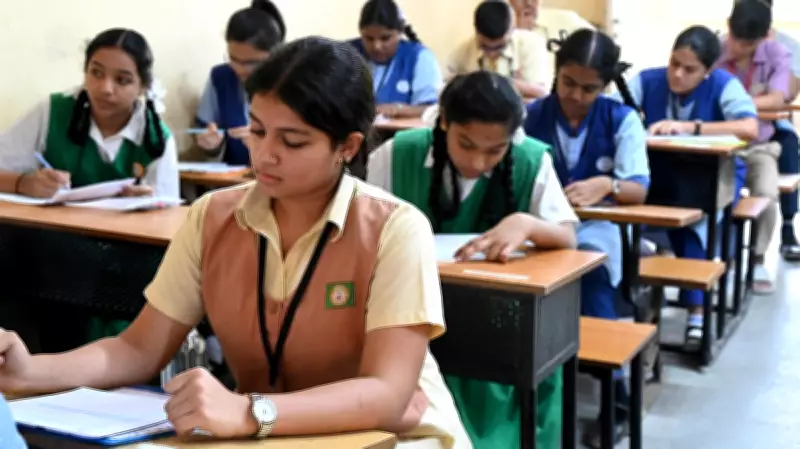
The recent SSLC exam results in Karnataka have brought a wave of relief and celebration among students, parents, and educators. The pass percentage has seen a significant improvement, reflecting the collective efforts of all stakeholders. This triumph, however, is not just about numbers; it offers valuable lessons for the education system.
Key Factors Behind the Success
Several factors contributed to this year's impressive results. The state government's focus on digital education, teacher training, and student support programs played a crucial role. Additionally, the reduced syllabus and relaxed exam pattern due to the pandemic helped students cope better.
Embracing Technology in Education
The pandemic forced a shift to online learning, which initially faced challenges but eventually proved beneficial. Schools that adopted digital tools effectively saw better engagement and performance. This experience underscores the importance of integrating technology into the curriculum permanently.

Teacher and Parent Involvement
Teachers went the extra mile to ensure students understood concepts, often using innovative methods. Parental support also increased, with many parents actively participating in their children's learning at home. This collaboration is a model for future academic years.
Lessons for the Future
The success of SSLC students should not be seen in isolation. It highlights the need for continuous improvement in the education system. Emphasis should be on holistic development, mental health, and skill-based learning rather than rote memorization.
Addressing Learning Gaps
While the results are encouraging, learning gaps that emerged during the pandemic must be addressed. Remedial classes and personalized attention for struggling students are essential.
Reducing Exam Stress
The relaxed exam pattern this year reduced stress among students. Policymakers should consider implementing such measures to promote a healthier learning environment.
In conclusion, the SSLC triumph is a testament to resilience and adaptability. It provides a blueprint for educational reforms that focus on student well-being and quality learning.