Karnataka Minister Attributes PU Success to Systemic Reforms, Not Magic
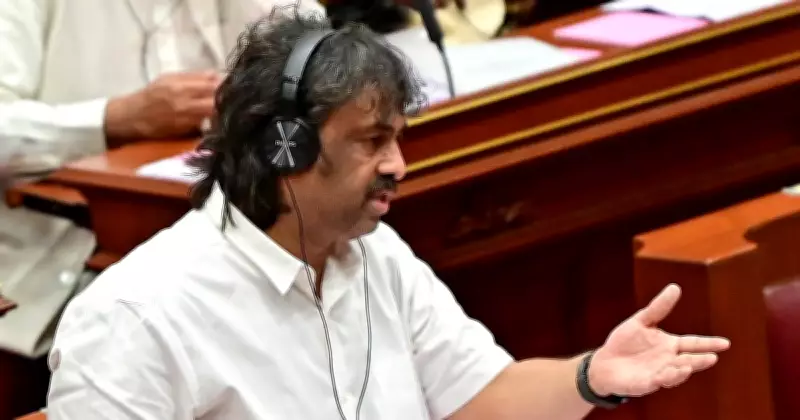
Karnataka School Education Minister S Madhu Bangarappa has emphasized that the recent positive outcomes in Pre-University (PU) examination results are not a product of magic or chance but are directly attributable to deliberate and systematic reforms implemented within the state's education framework. This statement comes as the state witnesses notable improvements in student performance, with the minister highlighting the critical role of strategic changes in achieving these results.
Standardized Preparatory Exams: A Key Reform
In a significant shift from previous practices, the state government has introduced standardized preparatory examinations at the state level, moving away from the earlier system where these exams were set locally by individual institutions. This reform aims to ensure uniformity in assessment standards across Karnataka, providing all students with a consistent and fair testing environment. According to Minister Bangarappa, this change has been instrumental in enhancing the quality of education and preparing students more effectively for their final PU exams.
The implementation of state-level preparatory exams marks a pivotal step in the government's efforts to streamline educational processes and reduce disparities between different regions and schools. By centralizing the exam-setting process, authorities can better monitor and improve the curriculum, ensuring that it aligns with statewide educational goals and benchmarks.

Systemic Reforms Driving Improvement
Beyond the standardization of preparatory exams, Minister Bangarappa pointed to a broader set of systemic reforms that have contributed to the improved PU results. These include:
- Enhanced teacher training programs to equip educators with modern teaching methodologies and subject expertise.
- Improved infrastructure in schools, such as better classrooms and digital learning tools, to create a conducive learning environment.
- Regular monitoring and evaluation of academic progress to identify and address gaps in student performance promptly.
- Increased focus on student support services, including counseling and remedial classes, to assist those struggling academically.
These measures, according to the minister, are part of a comprehensive strategy to uplift the overall standard of education in Karnataka, ensuring that students are well-prepared not only for exams but also for future academic and professional endeavors.
Minister's Vision for Future Education
Minister Madhu Bangarappa reiterated the government's commitment to continuing these reforms, with plans to further integrate technology into the education system and expand access to quality resources for all students, regardless of their geographical location. He stressed that the goal is to build a robust and equitable education system that fosters excellence and innovation.
The minister's remarks underscore a shift towards data-driven and evidence-based policymaking in education, moving away from ad-hoc solutions to more sustainable, long-term strategies. This approach, he believes, will not only sustain the current improvements in PU results but also pave the way for broader educational advancements in the state.
As Karnataka progresses with these initiatives, the focus remains on creating an inclusive and high-quality educational landscape that empowers students and contributes to the state's socio-economic development. The recent PU results serve as a testament to the effectiveness of these systemic reforms, reinforcing the importance of structured and consistent efforts in achieving educational success.