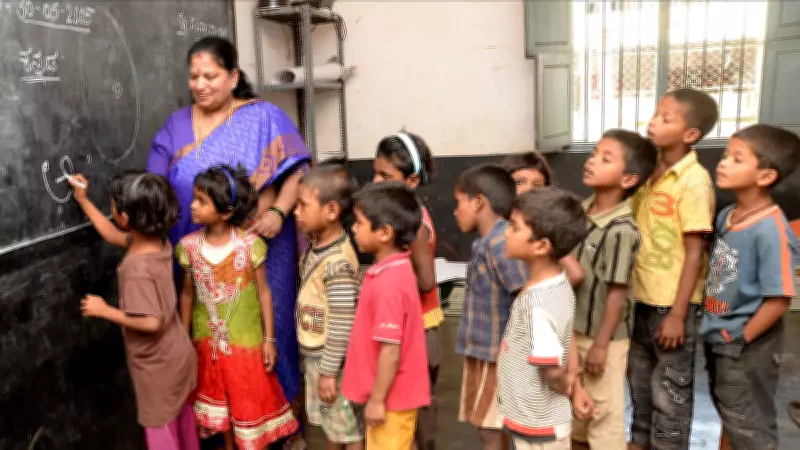
The Kannada language is facing a critical test as the SSLC (Secondary School Leaving Certificate) examinations approach in Karnataka. The state government's decision to make Kannada a compulsory subject has sparked widespread debate among educators, parents, and students. Critics argue that the policy places undue pressure on non-native speakers, while supporters emphasize the importance of preserving the state's linguistic heritage.
Background of the Language Policy
Karnataka has long mandated the study of Kannada in schools, but the recent move to enforce it as a compulsory subject in SSLC exams has intensified concerns. The policy applies to all students, regardless of their mother tongue, aiming to promote linguistic unity and cultural identity.
Challenges for Non-Native Speakers
Many students, particularly those from other Indian states or linguistic backgrounds, struggle with Kannada. This has led to fears of lower pass rates and increased dropout rates. Teachers report that the curriculum is rigorous, and students often lack adequate support to master the language within the academic year.

Impact on Student Performance
The compulsory nature of Kannada could affect overall SSLC results. Data from previous years shows that students who perform poorly in Kannada often see a dip in their overall scores. This has implications for college admissions and future career opportunities.
Government's Stance
The Karnataka government defends the policy, stating that it is essential for fostering a sense of belonging among all residents. Officials argue that proficiency in Kannada opens doors to better employment within the state and helps preserve the local culture. They have introduced remedial classes and additional resources to assist struggling students.
Opposition from Political Parties
Opposition parties have criticized the move, calling it impractical and discriminatory. They argue that the policy could alienate non-Kannada speakers and harm the state's cosmopolitan image. Some have called for a review, suggesting that students should have the option to choose an alternative language.
Educational Experts Weigh In
Educational experts are divided on the issue. Some support the policy, citing the cognitive benefits of learning a regional language. Others caution against imposing a language that may not be relevant to students' future plans. They recommend a balanced approach that respects linguistic diversity while ensuring academic success.
Student and Parent Reactions
Students express mixed feelings about the requirement. While some take pride in learning Kannada, others feel burdened. Parents, especially those from other states, worry about the additional stress on their children. Many have formed support groups to share resources and tutoring tips.
Looking Ahead
As the SSLC exams draw near, the debate over Kannada's role in education continues. The outcome of this academic year could shape future language policies in Karnataka. For now, students are left to navigate the challenges of mastering a language that holds both cultural significance and academic weight.