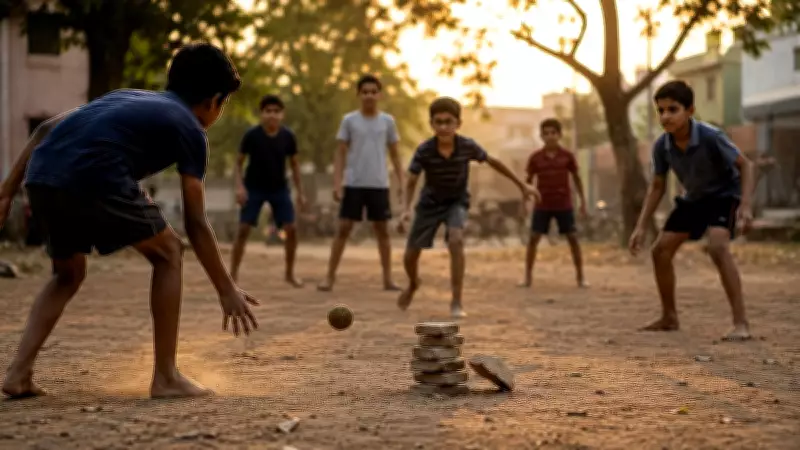
On International Day of Play, observed on June 11, experts and educators are revisiting the value of traditional street games that once defined childhood. Before digital screens dominated leisure time, children spent hours playing outdoors, engaging in games that required physical activity, social interaction, and creative problem-solving. These traditional games, often passed down through generations, may hold the key to building more resilient, collaborative, and confident young people.
The Lost Art of Street Play
In many parts of the world, neighborhoods were once filled with the sounds of children playing hide-and-seek, hopscotch, marbles, and tag. These games were not just about fun; they were informal classrooms where children learned essential life skills. Without adult supervision, kids negotiated rules, resolved disputes, and learned to work as a team. The unstructured nature of street play allowed for creativity and adaptability, traits that are increasingly rare in today's structured, screen-based activities.
Benefits of Traditional Games
Research shows that traditional outdoor play contributes significantly to physical health, reducing obesity and improving motor skills. Socially, these games teach cooperation, communication, and empathy. Emotionally, they build resilience as children experience both winning and losing in a safe environment. Cognitive benefits include improved attention span and problem-solving abilities. Unlike passive screen time, active play engages the whole child.

Screen Time vs. Play Time
The rise of digital entertainment has led to a dramatic decline in outdoor play. Children now spend an average of seven hours a day on screens, according to recent studies. This shift has been linked to increased rates of anxiety, depression, and social isolation. While technology offers educational benefits, it cannot replace the holistic development that comes from physical play with peers. The International Day of Play serves as a reminder to restore balance.
Reviving Traditional Games
Communities and schools are beginning to revive traditional games through organized events and playground initiatives. Parents are encouraged to limit screen time and create opportunities for unstructured play. Simple games like tag, jump rope, and capture the flag require no equipment and can be played anywhere. By reintroducing these activities, we can help children develop the skills they need to thrive in an increasingly complex world.
Conclusion
On this International Day of Play, let us remember that the streets once raised us. Traditional games are not relics of the past but essential tools for raising resilient, collaborative, and confident young people. By embracing play, we invest in a healthier, happier future for our children.