Ranchi Homeopath's Two-Decade Educational Crusade for Slum Children
In the heart of Ranchi, a remarkable story of dedication unfolds as homeopathic doctor K P Dey continues his over two-decade mission to educate children from the city's slums. What began as a humble initiative under a tree in the Jagannathpur slum in 1992 has blossomed into a full-fledged educational institution, transforming thousands of young lives through a unique, flexible approach to learning.
'Pay-What-You-Can' Model Ensures Universal Access
Dr. Dey, now approximately 63 years old, established 'Birsa Shiksha Niketan' with a revolutionary philosophy: no child should be denied education due to financial constraints. The school operates on a 'pay-what-you-can' fee structure, where parents contribute according to their financial capability. "Some families pay Rs 50, others Rs 100, and if they cannot pay at all, that's perfectly acceptable," explains Dr. Dey. "The community has embraced this model wholeheartedly, supporting their children's education in every possible way."
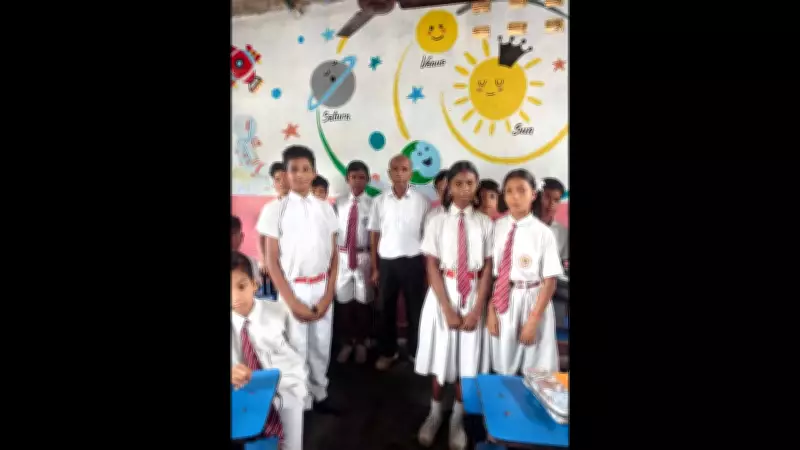
Currently, over 600 students are enrolled in the institution, which offers education from pre-nursery to Class 5. The school campus features a mix of concrete and temporary structures, reflecting its organic growth over the years. Beyond standard academics, children receive free music classes, while students in classes 6 to 10 benefit from complimentary evening coaching sessions.

A Life-Changing Walk and Unwavering Commitment
Dr. Dey's journey began in 1982 when he traveled from Burdwan district in West Bengal to visit his brother, a civil engineer at Heavy Engineering Corporation Ltd (HEC). During a walk past the Jagannathpur slum en route to the local Jagannath Temple, he witnessed living conditions that profoundly affected him. "I was shocked to see people living in such poverty," he recalls. "That moment ignited my determination to make a difference."
Despite facing opposition from his family, Dr. Dey relocated to Ranchi. To sustain himself, he offered tuition classes for just Rs 5 per month while simultaneously pursuing his studies in homoeopathic medicine. After completing his medical education, he channeled his earnings into funding his teaching mission, starting with only four students under a tree.
Community Transformation Through Education
Initially, convincing parents to send their children to school proved challenging. "Nobody initially valued education for their children," Dr. Dey remembers. "Persuading them was the hardest part of this journey." However, as the community witnessed positive changes in educated children, attitudes gradually shifted. Local residents began contributing to the cause, creating a supportive ecosystem for learning.
Recognizing Dr. Dey's efforts, HEC officials provided him with a room featuring an asbestos roof. As student numbers grew from 40 to hundreds, he continued expanding the facility with makeshift rooms. To date, Dr. Dey has transformed the lives of over 15,000 slum children while also offering free medical treatment to slum residents.
Expanding Resources and Building Legacy
The school boasts an impressive library containing more than 30,000 books, accessible free of charge to both students and slum residents. Dr. Dey's single request to society is for more book donations, particularly competitive examination materials and books for senior classes to help those who cannot afford them.
Principal Rita Sandhya Toppo has been with the school since its inception. After visiting Dr. Dey for medical treatment following her graduation in education, she was so inspired by his mission that she joined him permanently. The library is managed by R K Jha, who retired as chief of township from HEC in December 2025.
The school's impact extends across generations, as evidenced by former student Seema Devi, who moved to Lohardaga after marriage but returned to enroll her son in the same institution. "My son will stay with his grandparents here," she says. "I have complete faith in 'Sir' and know my child will receive an excellent education."
Dr. K P Dey's story stands as a powerful testament to how one individual's vision, coupled with community support, can create lasting educational transformation in underserved communities.