Goa Government Accelerates School Audits for National Education Policy Implementation
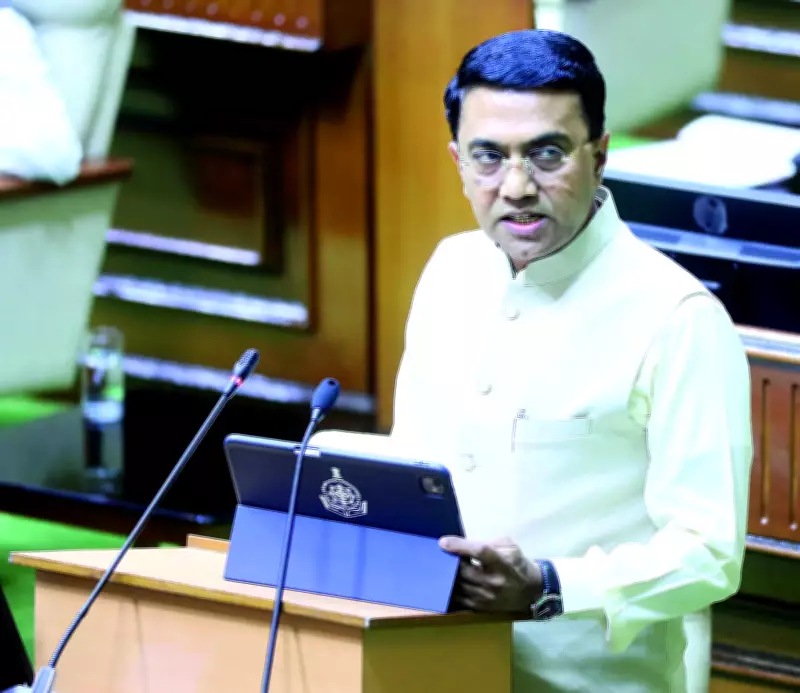
In a significant move to bolster educational infrastructure, Chief Minister Pramod Sawant declared on Friday that the Goa government will complete structural audits of 302 government schools within the next month. This initiative is part of the broader effort to implement the National Education Policy (NEP) across the state. Sawant, who also holds the education portfolio, emphasized that these audits are crucial for ensuring school safety and readiness for the new academic framework.
Audit Progress and Opposition Concerns
The government has already conducted structural audits of 568 government schools, with the remaining 302 set to be finalized soon. According to a preliminary report, all government school structures are deemed safe, but the detailed audits will provide a comprehensive assessment. However, opposition leaders have raised concerns about the timing and adequacy of these measures.
Opposition leader Yuri Alemao criticized the policy as premature, arguing that it is on the wrong academic footing. He pointed out that under the old system, there were 1,100 instructional hours, whereas the NEP requires 955 instructional hours plus 245 hours for other learning activities. Alemao questioned the decision to start the academic year in April, suggesting that June would be more appropriate, as it aligns better with traditional schedules and reduces pressure on students.

Government Response and Stakeholder Involvement
In response, Chief Minister Sawant defended the government's approach, stating that all stakeholders, including Parent-Teacher Associations (PTAs) and school managements, were consulted before implementing the NEP. He explained that starting the academic year in April was a collective decision aimed at helping children complete their subject portions more efficiently. Sawant added that this new schedule is designed to optimize learning outcomes and align with national educational standards.
Infrastructure and Safety Issues
Beyond structural audits, other infrastructure concerns have surfaced. St Andre MLA Viresh Borkar highlighted that many primary schools are damaged, partially damaged, or in need of attention, based on official replies. He proposed appointing a nodal agency to prioritize repairs, noting that the Public Works Department (PWD) building department is overwhelmed with other projects. Borkar also mentioned that sometimes repairs are handled through PTAs, but a more systematic approach is necessary.
Additionally, Benaulim MLA Venzy Viegas raised alarms about fire safety, citing audit reports that indicate most government schools lack firefighting systems. He pressed the government on whether such systems would be installed. Sawant responded cautiously, stating that the government takes precautions to prevent fire incidents near schools but refrained from giving a firm assurance on installing firefighting systems, citing practical constraints.
Repair Timeline and Future Plans
Chief Minister Sawant assured that repairs for all government schools will be completed by the end of May, aligning with the audit timeline. This commitment underscores the government's dedication to enhancing school infrastructure ahead of the full NEP rollout. The combined efforts of audits and repairs are expected to create a safer and more conducive learning environment for students across Goa.
The ongoing debates highlight the challenges of implementing large-scale educational reforms, balancing stakeholder input, infrastructure needs, and academic schedules. As Goa moves forward with the NEP, continuous monitoring and adaptation will be key to ensuring successful outcomes for all students.