East Delhi School Bars Four Class 12 Students from Board Exams Over Fee Hike Dispute
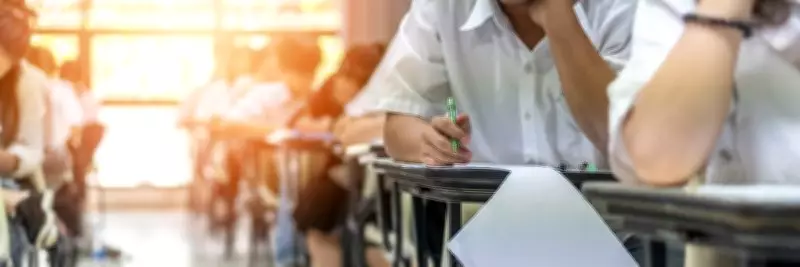
In a controversial move that has ignited widespread concern, a private school in East Delhi has barred four Class 12 students from appearing in their crucial board examinations. The drastic action was taken after the parents of these students refused to pay a recently implemented fee hike, citing financial hardship and questioning the legality of the increase.
Details of the Fee Hike and School's Stance
The school, located in the East Delhi district, reportedly announced a significant fee hike for the current academic session. According to sources, the increase was substantial, prompting several parents to voice their objections. While many families reluctantly complied, the parents of these four students stood firm, arguing that the hike was unjustified and beyond their financial means. The school administration, however, maintained that the fee revision was necessary to cover rising operational costs, including staff salaries, infrastructure maintenance, and educational resources.
The school's decision to prevent the students from taking their exams has drawn sharp criticism from education activists and legal experts. They argue that denying students access to board exams, which are critical for their future academic and career prospects, constitutes a severe punishment that disproportionately affects the children for a dispute primarily between the institution and the parents.

Legal and Ethical Implications of the Ban
This incident raises serious legal and ethical questions about the rights of students in fee-related conflicts. Under Indian education laws and guidelines set by bodies like the Delhi Directorate of Education, schools are required to follow due process in fee hikes, often necessitating approval from parent-teacher associations or regulatory authorities. Experts point out that while schools have the right to collect fees, barring students from exams may violate their fundamental right to education, especially at such a pivotal stage.
The parents of the affected students have reportedly sought intervention from local education authorities and are considering legal action. They claim that the school did not provide adequate notice or justification for the fee hike, and that the exam ban is an attempt to coerce them into payment. This situation highlights a growing tension between private educational institutions and parents over financial burdens, particularly in urban areas like Delhi where education costs are soaring.
Potential Consequences for the Students
The four Class 12 students now face an uncertain future, as missing board exams could delay their academic progress, affect college admissions, and impact their long-term career opportunities. Board examinations, conducted by bodies such as the Central Board of Secondary Education (CBSE), are mandatory for obtaining a senior secondary certificate, which is essential for higher education and employment.
- Immediate Academic Setback: Without taking the exams, the students cannot complete their Class 12 education, forcing them to repeat the year or seek alternative arrangements.
- Psychological Impact: The stress and anxiety caused by this exclusion could have lasting effects on their mental well-being and academic performance.
- Financial Strain: The dispute may lead to additional legal costs for the families, exacerbating their financial difficulties.
Broader Context and Reactions
This incident is not isolated; similar fee hike disputes have been reported across India, especially in private schools in metropolitan cities. In Delhi, the government has implemented regulations to curb arbitrary fee increases, but enforcement remains a challenge. Education activists are calling for stricter oversight and quicker grievance redressal mechanisms to protect students' interests.

Public reaction has been largely sympathetic to the students, with many condemning the school's harsh approach. Social media platforms and local communities have expressed outrage, urging authorities to step in and ensure the students are allowed to sit for their exams without further delay. The case underscores the need for balanced policies that safeguard both institutional sustainability and students' educational rights.
As the situation unfolds, all eyes are on the Delhi education department to mediate a resolution. The outcome could set a precedent for how such conflicts are handled in the future, emphasizing the importance of dialogue and legal compliance over punitive measures that jeopardize young learners' futures.