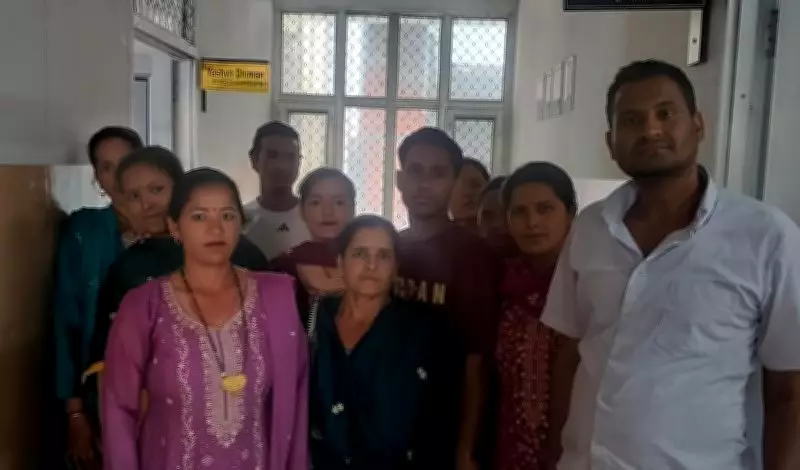
A school in the remote Chauhar Valley of Himachal Pradesh is facing a severe shortage of teachers, affecting the education of hundreds of students. The lack of adequate teaching staff has led to concerns among parents and local residents about the quality of learning and future prospects of children.
Current Situation
The school, which serves multiple villages in the valley, currently has only a handful of teachers against a sanctioned strength of nearly double. This shortfall has forced the administration to combine classes, leaving students without proper attention and guidance. Subjects like science and mathematics are particularly affected, with classes often going unattended.
Impact on Students
Students are facing difficulties in understanding complex topics, and the lack of individual attention is hampering their academic performance. Many parents are considering withdrawing their children from the school if the situation does not improve. The teacher shortage is also demotivating the existing staff, who are overburdened with additional responsibilities.

Reasons for Shortage
The remote location and harsh weather conditions of Chauhar Valley make it difficult to attract and retain teachers. Many teachers posted here seek transfers to urban areas, leaving vacancies unfilled for long periods. The lack of basic amenities and housing facilities further discourages educators from staying.
Community Response
Local residents and parent-teacher associations have repeatedly approached the education department to fill the vacant posts. They have also demanded better incentives for teachers willing to serve in remote areas. A delegation recently met with district officials to highlight the issue, but no concrete action has been taken so far.
Government Efforts
The state government has acknowledged the problem and announced plans to recruit more teachers for remote schools. However, the slow pace of recruitment and bureaucratic hurdles have delayed the process. Officials say they are working to expedite the hiring and improve infrastructure to make the school more attractive for teachers.
Way Forward
Experts suggest that the government should offer special allowances, housing, and career advancement opportunities to teachers in remote areas. Community involvement and digital learning tools could also help mitigate the shortage temporarily. The Chauhar Valley school's plight highlights the broader challenge of ensuring quality education in India's rural and remote regions.