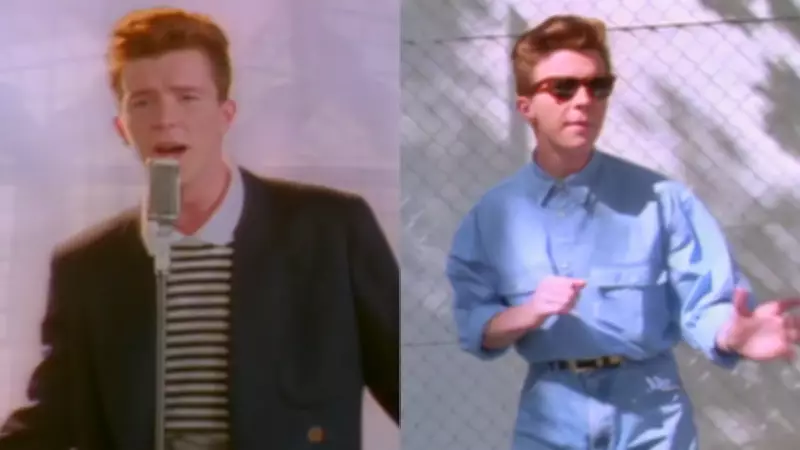
CBSE Maths Exam Incorporates Viral Rick Astley Hit Song
The Central Board of Secondary Education (CBSE) has made headlines by integrating pop culture into its academic assessments. In a surprising move, the Class 10 Mathematics paper for the 2026 board exams featured a question based on the iconic song "Never Gonna Give You Up" by British singer Rick Astley. This unexpected inclusion has generated widespread discussion among students, educators, and internet users, highlighting a novel approach to making exams more engaging and relatable.
Details of the Question and Its Context
The question appeared in the Mathematics paper administered on March 10, 2026. It presented students with a scenario involving the song's lyrics or related data, requiring them to apply mathematical concepts such as probability, statistics, or algebra to solve it. For instance, the problem might have involved calculating the probability of listening to the song a certain number of times or analyzing trends in its streaming data. This creative twist aimed to test students' analytical skills in a real-world context, moving beyond traditional textbook examples.
Rick Astley's "Never Gonna Give You Up" gained immense popularity as an internet meme known as "rickrolling," where users are tricked into clicking a link that leads to the song's music video. Originally released in 1987, the track has enjoyed a resurgence in the digital age, becoming a cultural phenomenon with billions of views online. By referencing this viral hit, the CBSE sought to connect with the younger generation, making the exam experience less daunting and more relevant to contemporary interests.

Student and Public Reactions
Reactions to the question have been mixed but largely positive. Many students expressed amusement and appreciation for the lighthearted element in an otherwise stressful exam. Social media platforms like Twitter and Instagram buzzed with posts and memes, with some users joking about being "rickrolled" by the CBSE. Educators have praised the board for its innovative thinking, suggesting that such inclusions can reduce exam anxiety and foster a more enjoyable learning environment.
However, a few critics argue that pop culture references might distract from the core academic objectives or disadvantage students unfamiliar with the song. In response, the CBSE has emphasized that the question was designed to be accessible, focusing on mathematical reasoning rather than prior knowledge of the track. The board stated that it aims to modernize its assessment methods to reflect evolving cultural trends and enhance student engagement.
Broader Implications for Education
This incident underscores a growing trend in education systems worldwide to incorporate real-world and pop culture elements into curricula and exams. By doing so, educational boards like the CBSE hope to:
- Increase student motivation by making content more relatable and entertaining.
- Develop critical thinking skills through applied problems in familiar contexts.
- Bridge the gap between academic learning and everyday life, preparing students for practical challenges.
As education continues to evolve, such initiatives may become more common, encouraging creativity and adaptability in both teaching and assessment. The CBSE's move with Rick Astley's song serves as a notable example of how traditional exams can be refreshed to resonate with today's digital-savvy youth.
In conclusion, the inclusion of "Never Gonna Give You Up" in the CBSE Maths paper has sparked a lively conversation about the role of pop culture in education. While it has brought smiles to many faces, it also prompts reflection on how assessments can be designed to be both rigorous and engaging. As the CBSE and other boards explore similar innovations, students can look forward to more such surprises in their academic journeys.