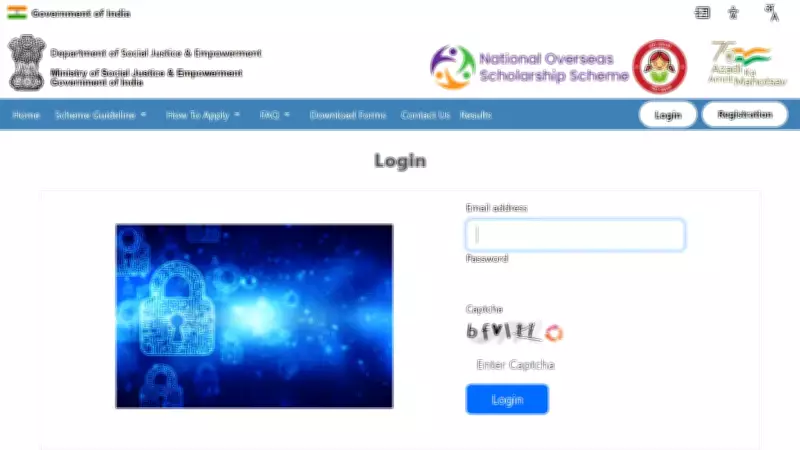
National Overseas Scholarship 2026: A Gateway to Global Education for Marginalized Communities
The Ministry of Social Justice and Empowerment has officially launched the National Overseas Scholarship 2026, a transformative initiative designed to provide full financial support for marginalized students pursuing Masters and PhD programs at top-ranked institutions abroad. This scheme is a key component of the broader National Overseas Scholarship program, aimed at breaking down barriers to international higher education for underprivileged groups in India.
Eligibility Criteria and Comprehensive Financial Assistance
To qualify for this prestigious scholarship, applicants must belong to one of the designated categories: Scheduled Castes (SCs), Denotified, Nomadic, and Semi-Nomadic Tribes (DNTs/NTs), or landless agricultural laborers and traditional artisans. The scheme mandates that candidates score a minimum of 60% or equivalent grades in their qualifying examinations. Prospective PhD students must hold a Master's degree, while those applying for Master's programs need a Bachelor's degree. Additionally, applicants must be under 35 years of age as of April 1 in the selection year, with an annual family income not exceeding Rs 8 lakh, supported by an income certificate from a revenue officer of Tehsildar rank or higher.
The scholarship offers extensive financial aid, covering tuition fees, maintenance allowance, visa fees, health insurance, and travel expenses. Funds are disbursed directly through Indian missions overseas, ensuring seamless support for students during their studies. Notably, 30% of the scholarships are reserved for women, promoting gender inclusivity in higher education.

Category-Wise Distribution and Selection Process
Out of the total 125 slots available, 115 are allocated to Scheduled Castes, six to Denotified, Nomadic, and Semi-Nomadic Tribes, and four to landless agricultural laborers and traditional artisans. The selection process involves two rounds, with a state-wise cap of 10% of total slots in the initial allocation; any unfilled seats are carried forward to a second round. Applicants must secure an unconditional offer of admission from a foreign university ranked within the top 500 in the QS World University Rankings. Merit lists are prepared based on the ranking order of the admitting university, with ties resolved by evaluating marks from qualifying examinations.
A waitlist of up to 50% of total seats is maintained until March 31 of the selection year, providing additional opportunities for eligible candidates. Selected scholars are required to return to India upon completion of their studies, contributing to the nation's development with their acquired expertise.
Course Duration and Application Requirements
Financial assistance is provided for up to four years for PhD programs and up to three years for Master's degrees, or until course completion, whichever comes earlier. It is important to note that undergraduate courses are not covered under this scheme. The application process is conducted electronically through a dedicated portal, with selection cycles typically occurring in two phases annually.
Applicants must submit a comprehensive set of documents, including educational certificates, caste certificates, Aadhaar cards, proof of admission from a foreign university, income proofs, and other relevant materials. Employed candidates are also required to furnish a no-objection certificate from their employer to ensure compliance with the scheme's guidelines.
This initiative represents a significant step towards empowering marginalized communities through access to world-class education, fostering skill development, and enhancing global competitiveness for India's youth.