U.S. Education Department Launches Major Investigation into Tufts University Over Student Privacy Concerns
The U.S. Department of Education has initiated a formal investigation into Tufts University and the National Student Clearinghouse (NSC) regarding potential violations of federal student privacy laws. This significant inquiry centers on the National Study of Learning, Voting, and Engagement (NSLVE), a research project based at Tufts University that tracks student voting patterns to analyze civic engagement trends across American campuses.
Focus of the Privacy Investigation
The Department's Student Privacy Policy Office (SPPO) announced it is examining whether student data collected through the NSLVE program was shared without obtaining proper consent from students, potentially violating the Family Educational Rights and Privacy Act (FERPA). The investigation follows multiple reports alleging that personally identifiable student information may have been shared not only with the National Student Clearinghouse and participating educational institutions but also with external political organizations seeking to influence election outcomes.
The Department stated it has substantial reason to believe there may be "significant FERPA compliance issues" requiring thorough examination. The probe will specifically investigate:

- What specific types of student data were collected through the NSLVE program
- How this sensitive information was accessed and shared with various entities
- Which organizations and individuals received the student data
- Whether proper informed consent was obtained from students before their information was shared
New Guidance for Educational Institutions
Concurrent with the investigation, the Department of Education has issued updated guidance to all postsecondary institutions across the United States regarding their responsibilities under FERPA regulations. This guidance formally rescinds previous policies that encouraged colleges and universities to participate in the NSLVE program and utilize its collected data for institutional purposes.
The Department has explicitly warned that institutions using NSLVE data—which is scheduled for release later this year—could face serious FERPA violations if they fail to meet stringent privacy requirements. The comprehensive guidance reminds educational institutions of their fundamental obligations:
- Implement robust safeguards to protect student education records from unauthorized access
- Limit data access exclusively to authorized officials with legitimate educational interests
- Obtain explicit student consent before sharing any non-directory personal information
- Clearly define what constitutes directory information and provide students with straightforward opt-out mechanisms
Understanding FERPA Requirements
FERPA represents a critical federal student privacy law that applies to all educational institutions receiving funding from the U.S. Department of Education. This legislation strictly prohibits the sharing of student education records without obtaining proper consent from the students themselves or their legal guardians in applicable cases.
Under FERPA regulations:
- Non-directory personal information, including academic records and identification details, cannot be shared without explicit student approval
- Directory information may only be shared if institutions clearly define what falls under this category and provide students with accessible opt-out procedures
- Third-party organizations acting on behalf of educational institutions must adhere to the same privacy standards and compliance requirements
The Department emphasized that violations of FERPA can result in severe consequences for educational institutions, including potential termination of federal funding and other significant penalties.

Official Statements and Broader Implications
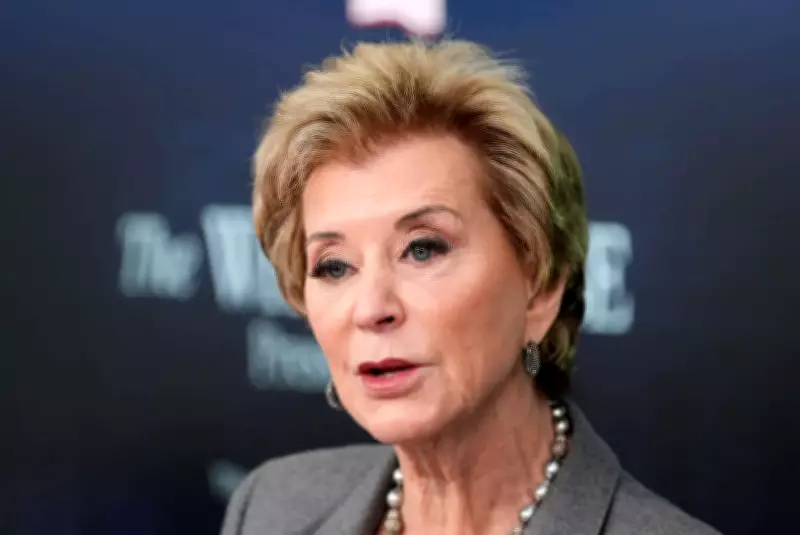
U.S. Secretary of Education Linda McMahon addressed the investigation, stating that colleges and universities should maintain their primary focus on "teaching, learning, and research—not influencing elections." She confirmed that the investigation aims to protect student privacy rights and ensure full compliance with federal privacy laws across the higher education sector.
This investigation represents one of the most significant privacy probes in recent years, highlighting growing concerns about how educational institutions handle sensitive student data, particularly when such information intersects with political activities and election-related initiatives. The outcome could establish important precedents for how colleges and universities nationwide manage student information in research programs with potential political implications.