Sweden's Bold Digital Education Experiment and Its Surprising Reversal
In 2009, schools in Sweden embarked on a radical educational transformation. They decided to phase out traditional books entirely, replacing them with laptops, tablets, and a suite of digital learning tools. This initiative aimed to create a modern, tech-savvy learning environment that would prepare students for a rapidly evolving digital world. The vision was straightforward: equip children with gadgets that could adapt quickly, fostering skills for the future. Classrooms were soon flooded with devices, creating an atmosphere where the future of education seemed to have arrived prematurely.
The Downfall of Digital-Only Learning
However, by 2026, after a 15-year gap, the landscape has shifted dramatically. The Swedish government is now planning a massive investment of £100 million to provide physical books to students in core subjects. This drastic policy reversal raises critical questions: what prompted such a change? According to Schools Minister Lotta Edholm, "The best conditions for developing basic reading and writing skills are in analogue environments and using analogue tools." Scientific evidence supports this claim, with PISA results revealing a sharp decline in Sweden's reading scores post-2009, hitting lows by 2012. This move is not rooted in nostalgia but is a data-driven response to rectify educational shortcomings.
Analyzing the Impact: Declining Scores and Literacy Crisis
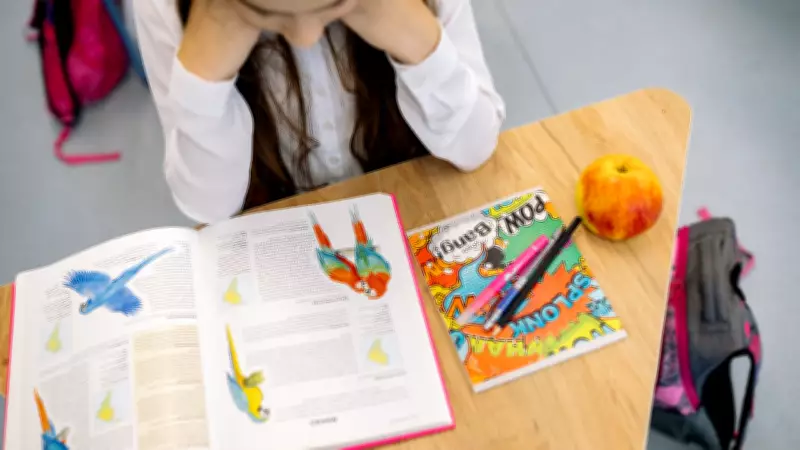
Sweden's full embrace of digital learning in 2009 eliminated books from classrooms, substituting them with computers and apps. Initially, students enjoyed multimedia learning experiences, but the drawbacks soon emerged. Children became prone to multitasking, such as studying while checking social media, which eroded focus. A meta-analysis highlighted that learning from books significantly enhances understanding compared to screen-based methods. Excessive screen time among middle schoolers left little room for handwriting practice and concentration, contributing to Sweden's falling standing in European reading rankings.

The fallout was starkly evident in PISA tests. From excelling in reading in 2000, Sweden's scores plummeted, recording a 10-point drop in reading and a 15-point decline in maths between 2018 and 2022. Alarmingly, a quarter of secondary school pupils became functionally illiterate, a direct consequence of over-reliance on technology. Minister Edholm emphasized, "We've realised that screen saturation has eroded focus." Research by the Swedish National Agency for Education confirmed that screens led to poor vocabulary and divided attention, while equity issues arose due to inconsistent internet access at home.
Government's Financial Commitment to Analogue Tools
In response, Sweden has initiated a significant funding boost for physical textbooks. From 2023 to 2025, the government allocated SEK 685 million in 2023, SEK 658 million in 2024, and SEK 755 million in 2025, totaling approximately £100 million. The goal is to ensure each pupil has a book per subject and to staff libraries with librarians. New laws mandate access to these resources, with inspectors monitoring compliance. This initiative is not anti-technology; digital tools are still encouraged for projects, but early education will focus on pen, paper, and print. Year 3 national tests remain in analogue format, and screens are banned for children under two in preschools.
Edholm stated, "Physical books are important for student learning." Supporting this, research from the Unit of Psychiatry at Fondazione Policlinico Universitario Agostino Gemelli IRCCS in Rome, Italy, confirms that handwriting enhances memory, and print facilitates deep reading.
Lessons from the Textbooks vs. Screens Debate
Sweden's experience serves as a cautionary tale about the dangers of digital overload. While screens offer engagement, they often lead to distraction, whereas books provide a solid foundation for essential skills. This case sparks global discussions on balancing technology with traditional methods. The key takeaway for parents and educators is to use technology wisely but not exclusively. As Sweden recommits to education through printed materials, it may once again lead in fostering focus and literacy, setting an example for nations worldwide.