Six Years After Payal Tadvi's Tragic Death, Mother Continues Fight for Justice Amid UGC Rules Controversy
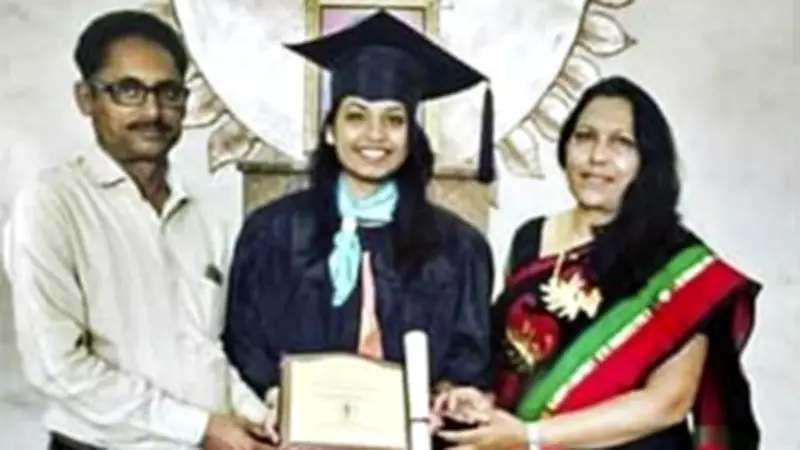
For over six relentless years, 60-year-old Abeda Tadvi has been making a heartbreaking 500-kilometer journey from Jalgaon to Mumbai twice every month. Each trip represents her unwavering commitment to seeking justice for her daughter, Dr. Payal Tadvi, who died by suicide in 2019 at just 26 years old due to alleged caste-based harassment and ragging during her medical studies.
A Mother's Unending Grief and Financial Struggle
Retired from her zilla parishad job, Abeda and her husband Salim now carefully manage their pension to cover the substantial travel expenses for court hearings. The trial against three accused doctors has not yet begun, leaving the family in a painful limbo. With every court adjournment, Abeda describes how her grief "feels new again," as the legal process continues to stall without resolution.
The Birth of New UGC Regulations
In her search for answers about how the system failed her daughter, Abeda connected with Radhika Vemula in 2019, another grieving mother who lost her son Rohith to suicide at the University of Hyderabad three years earlier. Both women, convinced that existing institutional mechanisms had failed their children, joined forces to file a landmark petition in the Supreme Court. Their legal action sought enforcement of the University Grants Commission (UGC) Regulations from 2012, specifically addressing caste-based discrimination on educational campuses.

This petition ultimately led to the creation of the UGC (Promotion of Equity in Higher Education Institutions) Regulations, 2026. These new rules, notified on January 13, 2026, aimed to strengthen protections for students from marginalized communities through several key measures:
- Mandating Equal Opportunity Centres on campuses
- Fixing clear accountability on heads of institutions
- Strengthening complaint redressal mechanisms
- Addressing gaps in the 2012 regulations that were routinely ignored
Supreme Court Intervention and Controversy
The 2026 regulations have now become the center of nationwide controversy after the Supreme Court stayed their implementation just two days after notification. The court raised several critical questions about the new rules:
- How will they specifically address ragging in relation to caste discrimination?
- Why create separate hostels to deal with caste bias?
- When discrimination is already defined in one subsection, why include a separate definition?
- Could provisions with vague language be prone to misuse?
Petitioners challenging the regulations argued they excluded students from the general category and contained provisions that were ambiguous and potentially subject to misuse.
A Mother's Hope Amid Continuing Struggle
Abeda expressed cautious hope about the regulations, stating, "I hope the stay does not mean going back altogether on the regulations. They were formulated after many hearings over the past few years and consultations with experts." She described measures like equity centers and implementation committees as "good mechanisms to ensure students do not face any form of discrimination."
Reflecting on her daughter's legacy, Abeda shared, "I was proud of Payal, she was the first woman in our community to pursue a post-graduation in the medical field. If the institutional mechanisms had been in place then, she would have had redressal for her complaints."
The Case That Remains Stalled
Payal Tadvi, a postgraduate gynaecology student at TN Topiwala National Medical College and BYL Nair Hospital in Mumbai, was found dead in her hostel room on May 22, 2019. She had confided in her mother about daily harassment from seniors, including alleged taunts about securing admission under the ST quota as a member of the Tadvi Bhil community.
Nearly six years later, the trial against three doctors—Bhakti Mehare, Ankita Khandelwal, and Hema Ahuja—for alleged abetment of suicide, destruction of evidence, discrimination, and ragging has not commenced. The case has remained stalled for nearly a year after several legal complications:

- The state government removed the special public prosecutor
- The Bombay High Court stayed the trial
- Appeals and decisions remain pending
- The accused were released on bail in August 2019 after two months in jail
- They were allowed to continue their postgraduate studies at the same medical college
- Their medical licenses were restored
Broken Promises and Continuing Injustice
Abeda revealed that promises of compensation and a job for Payal's brother, who has a physical disability, have not been fulfilled. "It feels like their lives have moved on but we are still struggling to be heard," she said poignantly, capturing the family's ongoing battle for justice and recognition.
The tragedy of Payal Tadvi's death continues to highlight systemic failures in addressing caste-based discrimination in educational institutions, even as new regulations face legal challenges and families wait for justice that remains elusive six years later.