Mysuru DCE Commissioner Calls for Educational Reform with Skill-Based Focus and Inclusivity
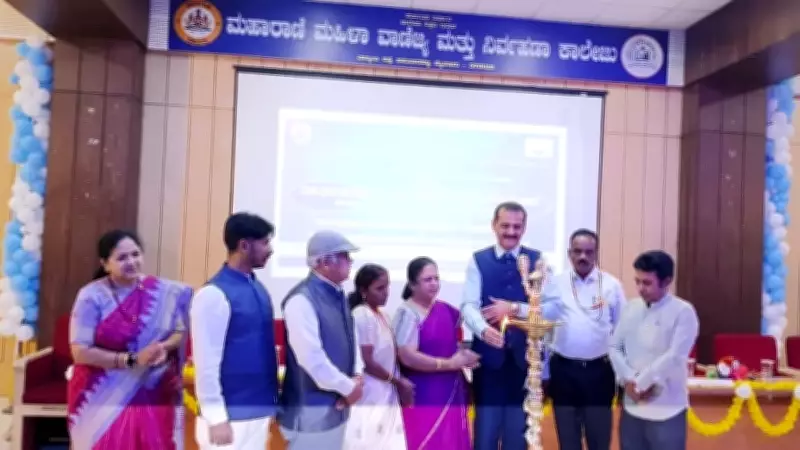
In a significant move to transform the educational landscape, the Commissioner of the Department of Collegiate Education (DCE) in Mysuru has issued a strong appeal for a shift towards skill-based evaluation and greater inclusivity in classrooms. This initiative aims to better prepare students for the demands of the modern workforce and foster a more equitable learning environment across Karnataka.
Emphasis on Skill-Based Evaluation for Practical Learning
The Commissioner highlighted the critical need to move beyond traditional rote learning methods, which often prioritize memorization over practical application. By advocating for skill-based evaluation, the focus would shift to assessing students' abilities in problem-solving, critical thinking, and hands-on competencies. This approach is designed to align educational outcomes with real-world requirements, ensuring that graduates are equipped with relevant skills for employment and societal contributions.
Key aspects of this proposal include:

- Integrating project-based assessments and practical exams into the curriculum.
- Encouraging interdisciplinary learning to develop versatile skill sets.
- Collaborating with industries to tailor educational programs to market needs.
Promoting Inclusivity to Enhance Classroom Dynamics
Alongside skill-based reforms, the Commissioner stressed the importance of creating inclusive classrooms that cater to the diverse needs of all students. This involves implementing strategies to support learners from various backgrounds, including those with disabilities, socio-economic challenges, or different learning styles. Inclusivity is seen as essential for reducing disparities and promoting a sense of belonging, which can improve academic performance and overall well-being.
Measures to achieve this goal may encompass:
- Providing accessible resources and assistive technologies for students with special needs.
- Training educators in inclusive teaching practices and sensitivity awareness.
- Developing policies that address barriers to education, such as financial constraints or cultural biases.
Impact on Karnataka's Educational System
This push for reform is expected to have far-reaching implications for Karnataka's educational institutions, particularly in Mysuru and surrounding regions. By prioritizing skill-based evaluation and inclusivity, the DCE aims to enhance the quality of education, boost student engagement, and prepare a more competent workforce for the state's economic growth. The Commissioner's call to action underscores a commitment to progressive educational policies that align with global best practices.
As these initiatives are implemented, stakeholders, including teachers, parents, and policymakers, are encouraged to collaborate in fostering an environment that values both academic excellence and social equity. The success of such reforms could serve as a model for other states in India, contributing to nationwide improvements in educational standards.